• Skip to primary navigation
  • Skip to main content
  • Skip to primary sidebar

Hip and Knee News

News Resource About Hip, Knee and Orthopedic Surgery

  • Home
  • Hip Surgery
  • Knee Surgery
  • Resources
    • Hip and Knee Glossary
  • About/Contact

Blog

Consultant offers reduced waiting times and better outcomes for hip and knee surgery

by

With NHS waiting times for hip and knee replacements in the North East and North Yorkshire currently up to two years, Mr Andrew Port, a highly experienced consultant orthopaedic surgeon, is offering the people of these regions quicker access for their joint replacement surgery.

Mr Port offers his patients individualised care pathways for hip and knee replacements, including partial knee replacements, complex and revision (redo) hip and knee replacements, for which he is a regional specialist.

As a pioneer for robotic joint replacement surgery in the UK, his patients are now able to take advantage of the quicker recovery times, reduced pain and improved function, following robotic joint replacement surgery.


His current waiting time for a joint replacement privately is four weeks, and for and NHS patient is around six months.

Mr Port has more than 30 years’ experience in orthopaedic surgery, during which time he has led and guided local, regional and national directives in improving the quality of orthopaedic surgery. He has been based at the BMI Woodlands hospital in Darlington for 22 years.
The Northern Echo:

He performs more than 500 hip and knee replacements a year, including 50 revision surgeries and 40 partial knee replacements. The “Getting It Right First Time” (GIRFT) Department of Health directive and the British Orthopaedic Association advocate that surgeons should perform a minimum of 15 of each of these procedures per year to maintain standards. Mr Port has one of the highest patient satisfaction outcomes and lowest complication rates nationally.
The Northern Echo:

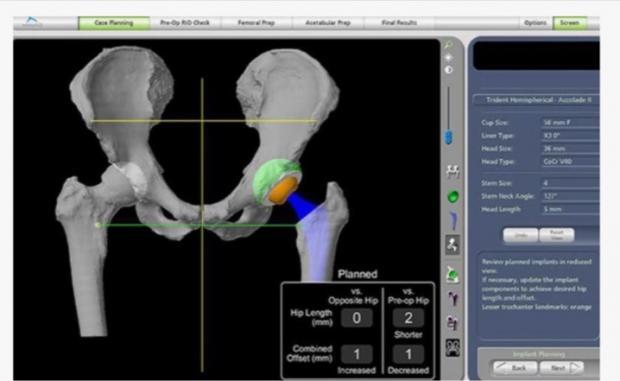
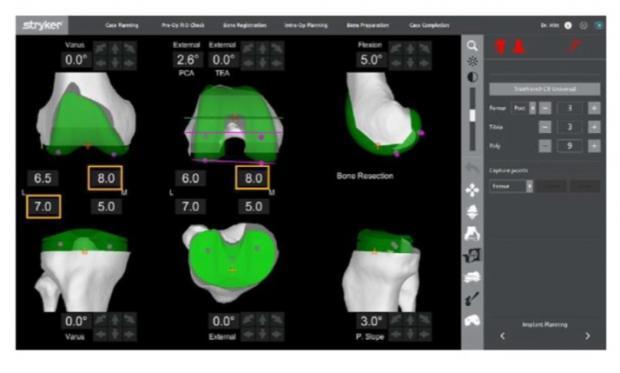
Being one of the first surgeons in the UK to introduce robotic hip and knee replacement surgery, Mr Port has performed more than 300 robotic-assisted hip and knee replacements using the Stryker Mako Robotics system.

From his experience he explains: “The technology combines 3D planning with accurate intra-operative reconstruction of the hip or knee replacement. Following robotic surgery, patients are reporting less pain, quicker recovery times and greater satisfaction rates”.

The Northern Echo:

The BMI Woodlands Hospital, in Darlington, is the only hospital in the northern region that offers access to augmented surgical assistance with the Stryker Mako Robotics system.

Mr Port is currently chairman of the Surgical Collaborative at South Tees NHS Trust, incorporating The James Cook University Hospital and the Friarage Hospital. He leads on the strategy to standardise the delivery and quality of orthopaedic surgery over the Tees Valley and North Yorkshire.

Further information can be found at: www.circlehealthgroup.co.uk/consultants/andrew-port or, to book an appointment, contact 01325 341784, or Mr Port’s practice manager on 07855 364475.


###[ad_2]
Originally Appeared Here

Filed Under: joint replacement, ORTHO NEWS

The Most Common Injuries in Track & Field Athletes

by

Track & Field is a sport that involves a combination of activities that require running, jumping, and throwing. Due to the broad scope of different activities within the sport as well as the physical demands required, competing athletes are at high risk for injury.

Even those that don’t compete at a high level but instead participate recreationally can still experience injury. In fact, 80% of injuries associated with running are simply caused by repetitive stress and overuse.

Other injuries can be caused by collision, impact, poor technique, and lack of strength. These injuries can range from mild to severe and even persist chronically if the proper treatment and preventative measures aren’t met.

In what follows, we’ll be discussing the most common injuries related to the sport of Track & Field. We’ll also discuss potential treatments and preventative protocol measures to combat such injuries.

Most Common Track & Field-Related Injuries

Like many true Track & Field athletes, those with the most rigorous of schedules are most likely to get injured. Unfortunately, because the sport requires so many skills across several athletic disciplines, rigorous training hours are required to compete at an elite level.

Even athletes that simply participate in long-distance running will typically log anywhere from 50 to 100 miles of training each week. Mileage can even be higher in athletes of the highest caliber.

As you can imagine, this takes quite a toll on the body, including the muscles, bones, joints, tendons, and ligaments. In order to simply sustain this high level of activity, hours of recovery and preventative exercises are required. In addition, several hours are needed for extra measures to prevent or limit the risk of injury.

In any sport, and most definitely in Track & Field, injuries are inevitable, even in the most prepared of athletes. The following are the most common and prevalent injuries seen in track & field athletes:

  • Patellofemoral Syndrome (Runners’ Knee)
  • Patellar Tendonitis (Jumpers’ Knee)
  • Plantar Fasciitis
  • Hamstring Tear
  • Achilles Tendonitis

Other common injuries prevalent in Track & Field, and more specifically sprinting and long-distance running, are shin splints, traumatic knee injuries, calf strain, ankle sprain, fractures, and IT band syndrome.

The large majority of track & field related injuries and, more specifically, running-related injuries are lower-extremity based.

Patellofemoral Syndrome

Otherwise known as runners’ knee, patellofemoral syndrome is most commonly caused by overuse. If you’re experiencing pain in the front of the knee or surrounding area, and you’re an avid runner, you may well be experiencing symptoms of runners’ knee.

Luckily, this type of injury can be non-invasively treated with guidance from your doctor and physical therapy.

Patellar Tendonitis

More commonly known as jumpers’ knee, patellar tendonitis is an injury of the patellar tendon, the ligament attaching the patella (kneecap) to the tibia. Patellar tendonitis is inflammation involving the patellar tendon due to repetitive impact and wear & tear.

Patellar tendonitis does have the rare complication of full ligament tear or rupture.

Plantar Fasciitis

One of the most common foot injuries in general, and certainly in Track & Field, plantar fasciitis is an overuse injury that causes discomfort and pain at the bottom of the foot (plantar surface). The injury occurs in cases of overuse and general wear and tear of the fascia at the plantar aspect of the foot and is best treated with rest.

While most cases are minor and can be treated at home, rare cases may need surgical treatment.

Hamstring Tear

Because the primary role of the hamstrings is to assist in deceleration, hamstring injuries are quite common in lower extremity power-based sports such as sprinting and long jump.

Hamstring injuries, though most often due to active injury, can also be the byproduct of tightness, weakness, and fatigue of the muscle itself. While hamstring tears that occur in sprinters are often more sudden and severe, those that occur in long-distance runners are typically slower to progress, developing from initial micro-tears and worsening over time.

Achilles Tendonitis

The Achilles tendon is a tendon attaching the calf muscle to the heel and is the largest tendon in the body. Because its primary function is to facilitate lower extremity movement of the leg and foot, Achilles injuries, both mild and severe, are quite common in track & field athletes.

While Achilles tendinitis can be a difficult condition, it can be treated effectively. Yet, it’s important to know that this condition can be a precursor to an even worse injury, such as Achilles tendon tear or rupture.

Unfortunately, an Achilles tendon tear or rupture is a common injury that can be seen in track & field athletes, and it will require surgery and months of rehabilitation.

Effective Treatment Options

If you’ve since been diagnosed with an injury or you’re experiencing symptoms that you presume may be a specific injury, it’s important to seek medical treatment immediately.

Effective treatment options commonly used for runner injuries include:

  • Contrast therapy (hot and cold exposure)
  • Physiotherapy
  • Anti-inflammatory medication
  • Muscle relaxants and pain relievers
  • Non-steroidal injections
  • Surgery

The type of treatment is dependent on the specific nature of the injury, and it’s best to seek personalized treatment specific to your injury. Your sports medicine specialist will be able to diagnose and recommend the best course of action for your injury.

Injury Prevention Tips for Track & Field Athletes

Although injuries can happen to anyone, especially competitive runners and track & field athletes, the nature of this sport is highly likely to yield injuries. It can be difficult in some cases to prevent such events from happening.

Preventative actions can still be implemented, and they are extremely helpful in reducing the chances of injury.

Below are the most effective preventative measures:

  • Stretching (warming up & cooling down)
  • Hydration
  • Don’t overtrain
  • Follow a slow progression plan (increase training volume strategically)
  • Listen to your body
  • Rest and recovery
  • Implement a complementary strength training program
  • Improve technique

The most common causes for injuries for runners and track & field athletes are overuse, overtraining, and lack of preventative rehabilitation and recovery. By following the recommended measures, athletes will put themselves in a much better position to prevent injuries.

Final Thoughts

Many track & field athletes and distance runners are likely to experience an injury at some point in their journey. The minute the symptoms of pain and discomfort develop, it’s best to seek early evaluation by a medical professional to ensure proper diagnosis and treatment.

Additionally, it helps to use other at-home treatment techniques, such as rest, contrast therapy, and stretching. Preventative measures can also be the key to a continuous healthy career as a track and field athlete.

###[ad_2]
Originally Appeared Here

Filed Under: Athletic Health News, ORTHO NEWS

An Athlete’s Guide to Exercise & Muscle Physiology

by

While exercise is commonly grouped into a rigid, singular activity, there are actually endless forms of exercise, each requiring its own set of unique muscular contractions, muscle fiber types, energy sources, and physiological demands.

When it comes to an athlete’s physiology, several factors influence the performance and health of the body. Moreover, the demands of a given sport or physical activity require a certain level of generated force and power by the musculoskeletal system.

Thus, many factors are linked to the makeup and functional capacity of the muscles that contribute to an athlete’s performance.

In what follows, we’ll be highlighting the basics of physiology and anatomy that apply to energy production, muscular contraction, and muscular performance of an athlete.

What is Exercise Physiology?

Physiology in general is defined as the study of the form and function within the human body.

Exercise physiology, which is often interchangeable with muscle physiology, is the study of the mechanics and musculoskeletal functions of the human body as it pertains to exercise and movement.

In order to gain a basic understanding of exercise or muscular physiology, it’s best to learn some basics about the cellular makeup and anatomy of the muscular system.

Cellular Makeup & Anatomy of the Muscular System

The purpose of this section is to provide you with an overview demonstrating the importance of muscle physiology and the role that it plays in exercise performance.

The muscular system or the musculoskeletal system is a body system similar to other body systems, such as the cardiovascular system, the skeletal system, the nervous system, and the digestive system.

By definition, the muscular system is responsible for controlling the movement of our body and internal organs, allowing for proper posture, and promoting healthy blood circulation.

The muscular system is made up broadly of three types of muscle, each containing hundreds of thousands of muscle fibers that are broken down further into three main subtypes.

The three main types of muscles are as follows: Skeletal, Cardiac (i.e., the heart), and Smooth (i.e., internal organs and eyes). In this content piece, we’ll be focusing on the skeletal muscles of the body.

The three main types of muscle fibers found in skeletal muscles are as follows: Type 1, Type 2A, and Type 2B. Type 1 is considered a Slow Twitch (ST) muscle fiber, while Type 2A and 2B are considered Fast Twitch (FT) muscle fibers.

The primary role of the muscles and muscle fibers of the body, especially in the context of an athlete, is muscle contraction. A muscle contraction refers to the ability of the muscle to shorten & lengthen, or put simply, to move.

The movement or contraction of a muscle is due to the singular muscle cells that are grouped together within muscle fibers. By working together, muscular cells are able to generate movement, and force and power are able to be exerted.

ATP Energy Production for Muscle Contraction

When it comes to producing muscular energy, there are three main systems at play depending on the muscle activity. The three energy systems are as follows:

  • ATP-PC System (Phosphagen System)
  • Glycolytic System
  • Oxidative System

During exercise, these individual systems are at work at different times during different exercises. In the following, we’ll take a deeper look into the roles of each. Before diving in, however, it’s important to define the following term, ATP (adenosine triphosphate).

ATP is simply the primary carrier of energy within the cells of our body. In the area of muscle physiology, it’s mainly responsible for sustaining muscle contractions. ATP is much more valuable during aerobic exercise versus anaerobic exercise.

ATP-PC System

This is an anaerobic energy system which is strongly associated with short-term, high-intensity activities. The term anaerobic means that the energy is produced without the use of oxygen. The phosphagen system, however, doesn’t have the capacity to produce or store ATP in large quantities.

Glycolytic System

When anaerobic activity lasts more than 20 to 30 seconds, the phosphagen system retires and the glycolytic system subs in.

Even though this is also an anaerobic system, it has the capacity to produce and store much more ATP for activity. In the glycolytic system, glycogen storage in muscles breaks down to glucose which helps make more ATP in the cells for energy.

Oxidative System

Distinct from the phosphagen and glycolytic systems, the oxidative system is 100% aerobic (uses oxygen). The oxidative system takes over for energy production at around the 3-minute mark of exercise. It is the main system for endurance activities.

While the oxidative system produces less ATP than the anaerobic systems, its use is much more efficient, making it an ideal energy system for long-distance runners.

Note that all three energy systems are always active at once, however, each has a time and place in which they’re dominantly active.

The Effects of Resistance Training on Muscular Performance

The result of resistance training on muscular performance is the creation of muscles that are larger, stronger, and leaner. This is accomplished through an increase in muscle fiber size as well as an increase in the number of muscle fibers. The ultimate result of resistance training with respect to muscular performance is the fact that the trained musculature is able to distribute greater force on a given load.

The larger the muscle, the more mitochondria, glycogen stores, and phosphocreatine. This is, in short, why larger muscles are known to produce greater force and power.

Resistance training is a huge benefit to the musculoskeletal system in general, and it also provides helpful hormonal, immunological, and metabolic effects.

Final Thoughts

Muscle tissue is made up of muscle fibers, which are comprised of single muscular cells. When an outside stimulus triggers a muscular response, the muscle cells work in tandem to contract the muscle.

Depending on the activity you’re engaging in, a specific energy system will dominate. Depending on the energy system that’s most active, a given amount of ATP will be required, produced, and stored for energy.

Resistance training is arguably one of the most beneficial and effective activities one can implement into their daily health and fitness regimen.

###[ad_2]
Originally Appeared Here

Filed Under: Athletic Health News, ORTHO NEWS

The Effects of Resistance Training on Muscular Performance  – Athletic Health News

by

The results of resistance training on muscle growth are well documented. Skeletal muscle is the second most abundant tissue in the human body, composing ~40% of total body mass. It is a vital organ and has a major impact on overall health, fitness, and disease risk.

The most common reason for resistance training is to increase muscle size and/or strength. Resistance training programs can also improve flexibility, aerobic capacity, and body composition through fat loss.

Resistance training can be performed on multiple planes to work all the major muscles; however, each plane has its own unique features that affect performance. For example, exercises performed while seated or lying down mostly utilize the larger prime movers; in contrast, standing exercises engage many smaller stabilizing muscles as well as the prime movers.*

Plyometric training involves a rapid stretch of a muscle immediately followed by its contraction. This rapid stretching and contracting of a muscle causes it to lengthen and then shorten quickly. Because of this dynamic contraction and stretching, plyometric exercises cause more power development than ballistic exercise. Plyometric exercises include jump squats, box jumps, broad jumps, hurdle hops, vertical jumps, depth jumps from step or box, burpees, lateral bounds or side shuffles with hurdles (lateral bound), lateral

Resistance training is a broad term for exercise that develops strength or endurance by using the force of gravity or an external weight, such as in bodybuilding, weightlifting and strength training. Weightlifting is an example of resistance training that uses weights.

Toning the muscles (also known as shaping) is a form of resistance training, usually with free weights (dumbbells) or weight machines. Some toning exercises can be done at home, while others may require special equipment, such as elastic bands and weighted balls.

The result of resistance training on muscular performance is the creation of muscles that are larger, stronger, and leaner. This is accomplished through an increase in muscle fiber size as well as an increase in the number of muscle fibers. The ultimate result of resistance training with respect to muscular performance is the fact that the trained musculature is able to distribute greater force on a given load.

The larger the muscle, the more mitochondria, glycogen stores, and phosphocreatine. This is, in short, why larger muscles are known to produce greater force and power.

Resistance training is a huge benefit to the musculoskeletal system in general, and it also provides helpful hormonal, immunological, and metabolic effects.

Muscle tissue is made up of muscle fibers, which are comprised of single muscular cells. When an outside stimulus triggers a muscular response, the muscle cells work in tandem to contract the muscle.

Depending on the activity you’re engaging in, a specific energy system will dominate. Depending on the energy system that’s most active, a given amount of ATP will be required, produced, and stored for energy.

Resistance training is arguably one of the most beneficial and effective activities one can implement into their daily health and fitness regimen.

###[ad_2]
Originally Appeared Here

Filed Under: Athletic Health News, ORTHO NEWS

The influence of HLA genotype on the development of metal hypersensitivity following joint replacement

by

[ad_1]

  • Pabinger, C. & Geissler, A. Utilization rates of hip arthroplasty in OECD countries. Osteoarthr. Cartil. 22, 734–741 (2014).

    CAS 

    Google Scholar 

  • Willert, H. G., Bertram, H. & Buchhorn, G. H. Osteolysis in alloarthroplasty of the hip. The role of ultra-high molecular weight polyethylene wear particles. Clin. Orthop. Relat. Res. 95–107 (1990).

  • Harris, W. H. The problem is osteolysis. Clin. Orthop. Relat. Res. 46–53 (1995).

  • Treacy, R. B., McBryde, C. W. & Pynsent, P. B. Birmingham hip resurfacing arthroplasty. A minimum follow-up of five years. J. Bone Joint Surg. Br. 87, 167–70 (2005).

    CAS 
    PubMed 

    Google Scholar 

  • Heisel, C. et al. Ten different hip resurfacing systems: biomechanical analysis of design and material properties. Int. Orthop. 33, 939–43 (2009).

    PubMed 

    Google Scholar 

  • van Lingen, C. P. et al. Sequelae of large-head metal-on-metal hip arthroplasties: Current status and future prospects. EFORT Open Rev. 1, 345–353 (2017).

    PubMed 

    Google Scholar 

  • Davies, A. P., Willert, H. G., Campbell, P. A., Learmonth, I. D. & Case, C. P. An unusual lymphocytic perivascular infiltration in tissues around contemporary metal-on-metal joint replacements. JBJS. 87, 18–27 (2005).

  • Pandit, H. et al. Pseudotumours associated with metal-on-metal hip resurfacings. J. Bone Joint Surg. Br. 90, 847–51 (2008).

    CAS 
    PubMed 

    Google Scholar 

  • Natu, S. et al. Adverse reactions to metal debris: histopathological features of periprosthetic soft tissue reactions seen in association with failed metal on metal hip arthroplasties. J. Clin. Pathol. 65, 409–418 (2012).

    PubMed 

    Google Scholar 

  • Willert, H. G. et al. Metal-on-metal bearings and hypersensitivity in patients with artificial hip joints: a clinical and histomorphological study. JBJS. 87, 28–36 (2005).

  • Nawabi, D. H. et al. MRI predicts ALVAL and tissue damage in metal-on-metal hip arthroplasty. Clinical orthopaedics and related research 472, 471–481 (2014).

    PubMed 

    Google Scholar 

  • G., G. et al. Hip resurfacings revised for inflammatory pseudotumour have a poor outcome. J. Bone Joint Surg. Br. 91-B, 1019–1024 (2009).

    Google Scholar 

  • Jameson, S. S. et al. The influence of age and sex on early clinical results after hip resurfacing: an independent center analysis. J Arthroplasty 23, 50–5 (2008).

    PubMed 

    Google Scholar 

  • Langton, D. J. et al. Accelerating failure rate of the ASR total hip replacement. J. Bone Joint Surg. Br. 93, 1011–6 (2011).

    CAS 
    PubMed 

    Google Scholar 

  • De Smet, K. et al. Metal ion measurement as a diagnostic tool to identify problems with metal-on-metal hip resurfacing. J. Bone Joint Surg. Am. 90, 202–8 (2008).

    PubMed 

    Google Scholar 

  • Hart, A. J. et al. The painful metal-on-metal hip resurfacing. J. Bone Joint Surg. Br. 91, 738–44 (2009).

    CAS 
    PubMed 

    Google Scholar 

  • Liow, M. H. et al. Metal ion levels are not correlated with histopathology of adverse local tissue reactions in taper corrosion of total hip arthroplasty. J. Arthroplasty 31, 1797–802 (2016).

    PubMed 

    Google Scholar 

  • Langton, D. J. et al. The clinical implications of elevated blood metal ion concentrations in asymptomatic patients with MoM hip resurfacings: a cohort study. BMJ Open 3, e001541 (2013).

    PubMed 
    PubMed Central 

    Google Scholar 

  • Langton, D. et al. Is the synovial fluid cobalt-to-chromium ratio related to the serum partitioning of metal debris following metal-on-metal hip arthroplasty? Bone Joint Res. 8, 146–155 (2019).

    CAS 
    PubMed 
    PubMed Central 

    Google Scholar 

  • Richeldi, L., Sorrentino, R. & Saltini, C. HLA-DPB1 glutamate 69: a genetic marker of beryllium disease. Science 262, 242–4 (1993).

    CAS 
    PubMed 

    Google Scholar 

  • Lison, D. et al. Experimental research into the pathogenesis of cobalt/hard metal lung disease. Eur. Respir. J. 9, 1024–8 (1996).

    CAS 
    PubMed 

    Google Scholar 

  • Büdinger, L. & Hertl, M. Immunologic mechanisms in hypersensitivity reactions to metal ions: an overview. Allergy 55, 108–15 (2000).

    PubMed 

    Google Scholar 

  • Sinigaglia, F. The molecular basis of metal recognition by T cells. J. Invest. Dermatol. 102, 398–401 (1994).

    CAS 
    PubMed 

    Google Scholar 

  • Rosenman, K. D. et al. HLA class II DPB1 and DRB1 polymorphisms associated with genetic susceptibility to beryllium toxicity. Occup. Environ. Med. 68, 487–93 (2011).

    CAS 
    PubMed 

    Google Scholar 

  • Griem, P. et al. T cell cross-reactivity to heavy metals: identical cryptic peptides may be presented from protein exposed to different metals. Eur. J. Immunol. 28, 1941–7 (1998).

    CAS 
    PubMed 

    Google Scholar 

  • Predki, P. F. et al. Further characterization of the N-terminal copper(II)- and nickel(II)-binding motif of proteins. Studies of metal binding to chicken serum albumin and the native sequence peptide. Biochem. J. 287, 211–215 (1992).

    CAS 
    PubMed 
    PubMed Central 

    Google Scholar 

  • Langton, D. et al. Adverse reaction to metal debris following hip resurfacing: the influence of component type, orientation and volumetric wear. J. Bone Joint Surg. Br. Vol. 93, 164–171 (2011).

    CAS 

    Google Scholar 

  • Sidaginamale, R. et al. Blood metal ion testing is an effective screening tool to identify poorly performing metal-on-metal bearing surfaces. Bone Joint Res. 2, 84–95 (2013).

    CAS 
    PubMed 
    PubMed Central 

    Google Scholar 

  • Langton, D. J. et al. The effect of component size and orientation on the concentrations of metal ions after resurfacing arthroplasty of the hip. J. Bone Joint Surg. Br. 90, 1143–51 (2008).

    CAS 
    PubMed 

    Google Scholar 

  • Langton, D. et al. Investigation of taper failure in a contemporary metal-on-metal hip arthroplasty system through examination of unused and explanted prostheses. J. Bone Joint Surg. Am. 99, 427–436 (2017).

    PubMed 

    Google Scholar 

  • Langton, D. J. et al. A comparison study of stem taper material loss at similar and mixed metal head-neck taper junctions. Bone Joint J. 99-b, 1304–1312 (2017).

    CAS 
    PubMed 

    Google Scholar 

  • Langton, D. J. et al. Aseptic lymphocyte-dominated vasculitis-associated lesions are related to changes in metal ion handling in the joint capsules of metal-on-metal hip arthroplasties. Bone Joint Res. 7, 388–396 (2018).

    CAS 
    PubMed 
    PubMed Central 

    Google Scholar 

  • Reito, A. et al. Prevalence of failure due to adverse reaction to metal debris in modern, medium and large diameter metal-on-metal hip replacements – the effect of novel screening methods: systematic review and metaregression analysis. PLoS One 11, e0147872 (2016).

    PubMed 
    PubMed Central 

    Google Scholar 

  • Campbell, P., Park, S. H. & Ebramzadeh, E. Semi-quantitative histology confirms that the macrophage is the predominant cell type in metal-on-metal hip tissues. J. Orthop. Res. 40, 387–395 (2022).

  • Dudbridge, F. Likelihood-based association analysis for nuclear families and unrelated subjects with missing genotype data. Hum. Hered. 66, 87–98 (2008).

    PubMed 

    Google Scholar 

  • Langton, D. J. et al. The influence of HLA genotype on the severity of COVID-19 infection. HLA 98, 14–22 (2021).

    CAS 
    PubMed 
    PubMed Central 

    Google Scholar 

  • Jensen, K. K. et al. Improved methods for predicting peptide binding affinity to MHC class II molecules. Immunology 154, 394–406 (2018).

    CAS 
    PubMed 
    PubMed Central 

    Google Scholar 

  • Reynisson, B. et al. Improved prediction of MHC II antigen presentation through integration and motif deconvolution of mass spectrometry MHC eluted ligand data. J. Proteome Res. 19, 2304–2315 (2020).

    CAS 
    PubMed 

    Google Scholar 

  • Goodfellow, I., Bengio, Y. & Courville, A. Deep learning. p. 108 (MIT press; 2016).

  • Kursa, M. B. & Rudnicki, W. R. Feature Selection with the Boruta Package. 36, 13 (2010).

  • Ridgeway, G. The State of Boosting 1999.

  • Cox, D. R. Partial likelihood. Biometrika 62, 269–276 (1975).

    Google Scholar 

  • Cawley, G. C. & Talbot, N. L. On over-fitting in model selection and subsequent selection bias in performance evaluation. J. Mach. Learn. Res. 11, 2079–2107 (2010).

    Google Scholar 

  • Wainer, J. & Cawley, G. Nested cross-validation when selecting classifiers is overzealous for most practical applications. Expert Syst. Appl. 182, 115222 (2021).

    Google Scholar 

  • Jamieson, K. & Talwalkar, A. Non-stochastic best arm identification and hyperparameter optimization. in Artificial Intelligence and Statistics. 2016. PMLR.

  • Li, L. et al. Hyperband: A novel bandit-based approach to hyperparameter optimization. J. Mach. Learn. Res. 18, 6765–6816 (2017).

    Google Scholar 

  • Uno, H. et al. On the C‐statistics for evaluating overall adequacy of risk prediction procedures with censored survival data. Stat. Med. 30, 1105–1117 (2011).

    PubMed 
    PubMed Central 

    Google Scholar 

  • Heagerty, P. J. & Saha, P. SurvivalROC: time-dependent ROC curve estimation from censored survival data. Biometrics 56, 337–344 (2000).

    CAS 
    PubMed 

    Google Scholar 

  • Austin, P. C. & Steyerberg, E. W. The Integrated Calibration Index (ICI) and related metrics for quantifying the calibration of logistic regression models. Stat. Med. 38, 4051–4065 (2019).

    PubMed 
    PubMed Central 

    Google Scholar 

  • Peter, C. A., Frank Jr, E. H. & David, v. K. Graphical Calibration Curves and the Integrated Calibration Index (ICI) for Survival Models. Statistics in Medicine.

  • Bozic, K. J. et al. The epidemiology of bearing surface usage in total hip arthroplasty in the United States. J. Bone Joint Surg. Am. 91, 1614–20 (2009).

    PubMed 

    Google Scholar 

  • 12th Annual Report. National Joint Registry of England and Wales, 2015.

  • Kilb, B. K. J. et al. Frank Stinchfield Award: Identification of the at-risk genotype for development of pseudotumors around metal-on-metal THAs. Clin. Orthop. Relat. Res. 476, 230–241 (2018).

    PubMed 
    PubMed Central 

    Google Scholar 

  • Blowers, P. Immune system involvement in metal hip implant failure. 2015, University of East Anglia.

  • Yang, S., Dipane, M., Lu, C. H., Schmalzried, T. P. & McPherson, E. J. Lymphocyte transformation testing (LTT) in cases of pain following total knee arthroplasty: little relationship to histopathologic findings and revision outcomes. JBJS. 101, 257–264 (2019).

    Google Scholar 

  • Haddad, S. F. et al. Exploring the Incidence, Implications, and Relevance of Metal Allergy to Orthopaedic Surgeons. J. Am. Acad. Orthop. Surg. Glob. Res. Rev. 3, e023 (2019).

    PubMed 
    PubMed Central 

    Google Scholar 

  • Lakusta, H. & Sarkar, B. Equilibrium studies of zinc(II) and cobalt(II) binding to tripeptide analogues of the amino terminus of human serum albumin. J. Inorg. Biochem. 11, 303–315 (1979).

    CAS 

    Google Scholar 

  • Mothes, E. & Faller, P. Evidence that the principal CoII-binding site in human serum albumin is not at the N-terminus: implication on the albumin cobalt binding test for detecting myocardial ischemia. Biochemistry 46, 2267–74 (2007).

    CAS 
    PubMed 

    Google Scholar 

  • Bal, W. et al. Binding of transition metal ions to albumin: Sites, affinities and rates. Biochimica et Biophysica Acta (BBA) – Gen. Subj. 1830, 5444–5455 (2013).

    CAS 

    Google Scholar 

  • Loeschner, K. et al. Feasibility of asymmetric flow field-flow fractionation coupled to ICP-MS for the characterization of wear metal particles and metalloproteins in biofluids from hip replacement patients. Anal. Bioanal. Chem. 407, 4541–4554 (2015).

    CAS 
    PubMed 

    Google Scholar 

  • Caicedo, M. S. et al. Increasing both CoCrMo-alloy particle size and surface irregularity induces increased macrophage inflammasome activation in vitro potentially through lysosomal destabilization mechanisms. J. Orthop. Res. 31, 1633–42 (2013).

    CAS 
    PubMed 
    PubMed Central 

    Google Scholar 

  • Yazdi, A. S., Ghoreschi, K. & Röcken, M. Inflammasome activation in delayed-type hypersensitivity reactions. J. Investig. Dermatol. 127, 1853–1855 (2007).

    CAS 
    PubMed 

    Google Scholar 

  • McKee, A. S. et al. MyD88 dependence of beryllium-induced dendritic cell trafficking and CD4+ T-cell priming. Mucosal. Immunol. 8, 1237–47 (2015).

    CAS 
    PubMed 
    PubMed Central 

    Google Scholar 

  • Perino, G. et al. The contribution of the histopathological examination to the diagnosis of adverse local tissue reactions in arthroplasty. EFORT Open Rev. 6, 399–419 (2021).

    PubMed 
    PubMed Central 

    Google Scholar 

  • Peters, T. 6 – Clinical Aspects: Albumin in Medicine, in All About Albumin, T. Peters, Editor. 1995, Academic Press: San Diego. p. 251–284.

  • Chaudhury, C. et al. The major histocompatibility complex–related Fc receptor for IgG (FcRn) binds albumin and prolongs its lifespan. J. Exp. Med. 197, 315–322 (2003).

    CAS 
    PubMed 
    PubMed Central 

    Google Scholar 

  • Yang, J. et al. Mass spectrometric characterization of limited proteolysis activity in human plasma samples under mild acidic conditions. Methods 89, 30–7 (2015).

    CAS 
    PubMed 

    Google Scholar 

  • Langton, D. et al. Accelerating failure rate of the ASR total hip replacement. J. Bone Joint Surg. Br. Vol. 93, 1011–1016 (2011).

    CAS 

    Google Scholar 

  • Gavin, I. M. et al. Identification of human cell responses to hexavalent chromium. Environ. Mol. Mutagen. 48, 650–7 (2007).

    CAS 
    PubMed 

    Google Scholar 

  • Innocenti, M. et al. Metal hypersensitivity after knee arthroplasty: fact or fiction? Acta Bio-medica: Atenei Parmensis. 88, 78–83 (2017).

    CAS 

    Google Scholar 

  • Saccomanno, M. F. et al. Allergy in total knee replacement surgery: Is it a real problem? World J. Orthop. 10, 63–70 (2019).

    PubMed 
    PubMed Central 

    Google Scholar 

  • Kretzer, J. P. et al. Wear in total knee arthroplasty-just a question of polyethylene?: Metal ion release in total knee arthroplasty. Int. Orthop. 38, 335–40 (2014).

    PubMed 

    Google Scholar 

  • Arnholt, C. M. et al. Corrosion damage and wear mechanisms in long-term retrieved CoCr femoral components for total knee arthroplasty. J. Arthroplasty 31, 2900–2906 (2016).

    PubMed 
    PubMed Central 

    Google Scholar 

  • Reiner, T. et al. Blood metal ion release after primary total knee arthroplasty: a prospective study. Orthop. Surg. 12, 396–403 (2020).

    PubMed 
    PubMed Central 

    Google Scholar 

  • Luetzner, J. et al. Serum metal ion exposure after total knee arthroplasty. Clin. Orthop. Relat. Res. 461, 136–42 (2007).

    PubMed 

    Google Scholar 

  • Savarino, L. et al. The potential role of metal ion release as a marker of loosening in patients with total knee replacement: a cohort study. J. Bone Joint Surg. Br. 92, 634–8 (2010).

    CAS 
    PubMed 

    Google Scholar 

  • Kurmis, A. P. et al. Pseudotumors and high-grade aseptic lymphocyte-dominated vasculitis-associated lesions around total knee replacements identified at aseptic revision surgery: findings of a large-scale histologic review. J. Arthroplasty 34, 2434–2438 (2019).

    PubMed 

    Google Scholar 

  • Crawford, D. A. et al. Impact of perivascular lymphocytic infiltration in aseptic total knee revision. Bone Joint J. 103-b, 145–149 (2021).

    PubMed 

    Google Scholar 

  • Wylde, V. et al. Chronic pain after total knee arthroplasty. EFORT Open Rev. 3, 461–470 (2018).

    PubMed 
    PubMed Central 

    Google Scholar 

  • Sidaginamale, R. P. et al. Blood metal ion testing is an effective screening tool to identify poorly performing metal-on-metal bearing surfaces. Bone Joint Res. 2, 84–95 (2013).

    CAS 
    PubMed 
    PubMed Central 

    Google Scholar 

  • Wysocki, T., Olesińska, M. & Paradowska-Gorycka, A. Current understanding of an emerging role of HLA-DRB1 gene in rheumatoid arthritis-from research to clinical practice. Cells 9, 2020.

  • Sollid, L. M. The roles of MHC class II genes and post-translational modification in celiac disease. Immunogenetics 69, 605–616 (2017).

    CAS 
    PubMed 

    Google Scholar 

  • ###[ad_2]
    Originally Appeared Here

    Filed Under: ORTHO NEWS, ortho news - Google

    Cutting-edge joint replacement options

    by

    [ad_1]

    By

    wpeditor
    |
    on
    June 25, 2022

    SETTING UP FOR A NEW KNEE—From left, Dr. Andrew Jeffers, medical director of the St. John’s Orthopedic Joint Program; physician assistant Andrew Duncan; and surgical services technician Alex Rosalez prepare for knee replacement surgery using the Zimmer Biomet’s ROSA system. Courtesy of Dignity Health

    The St. John’s Orthopedic Center at St. John’s Hospital Camarillo offers two of the most advanced joint replacement surgical systems, Zimmer Biomet’s ROSA and Stryker’s Mako.

    The first joint replacement using the ROSA was successfully performed by Dr. Andrew Jeffers, medical director of the St. John’s Orthopedic Joint Program, and the first Mako surgery was performed by Dr. Ryan Quinn, orthopedic surgery specialist.

    ROSA, a hip and knee surgical system, and the Mako robotic-arm assisted system for knee replacements will provide patients with the latest robotic assisted technology equipped to customize joint replacements and are proven to deliver precise instrumentation.

    For more information about the center, go to dignityhealth.org/stjohnscamarilloortho.

    ###[ad_2]
    Originally Appeared Here

    Filed Under: ORTHO NEWS, ortho news - Google

    Experiencing joint pain? Try asking a robot for help!

    by

    [ad_1]

    Have you ever thought twice about leaving the house because you don’t want to deal with pain in your knee or hip. It probably won’t surprise you that joint pain is a common reason for feeling that way. In fact, almost 25% of adults in the United States have arthritis, according to the Centers for Disease Control and Prevention.

    Over half of people with arthritis are of working age, which means they may be limited in the type of work they do because it is too painful to walk from a parking lot to a building or climb the stairs to an office.

    According to WebMD, even people in their 30s may begin to experience osteoarthritis, a type of arthritis associated with the natural wearing away of joint cartilage through daily use — so old age is not the only sign that aches and pains may be connected to arthritis.

    “Potential signs could include chronic swelling or inflammation in the joint, among other symptoms,” said Joshua Johnston, an orthopedic surgery specialist with St. Clare Hospital in Lakewood. “The most important thing a patient can do is have a conversation with their doctor about joint health and the pain they may be experiencing.”

    Advances in joint replacement

    There are more than 1 million hip and knee replacement procedures performed every year in the U.S., with even higher numbers expected as Baby Boomers age, according to research in the Journal of Bone and Joint Surgery.

    “We put a lot of wear and tear on our bodies, especially our joints and bones,” Johnston said. “Over the past few years, some individuals and their physicians may have delayed or deferred certain orthopedic procedures, such as knee and hip replacements. While understandable, these delays can have consequences, such as impaired mobility, persistent aches and pains, and increased use of medications.”

    While joint replacements have been happening for over 100 years, the procedure is continually being improved upon by doctors and researchers. For example, the Mako SmartRobotics treatment from medical technology company Stryker has made joint replacements safer and more effective.

    It uses three-dimensional CT scans to help a doctor see anatomy clearly and make a personalized surgery plan. It also uses a technology called AccuStop, which helps a surgeon cut precisely without unnecessary cuts to healthy bone.

    “Mako has been associated with less pain, less need for opiate analgesics, less need for inpatient physical therapy, and a reduced length of hospital stay when compared to manual techniques,” Johnston said.

    The procedure is highly effective, with 96% of Mako partial knee replacement patients reporting that they were satisfied or very satisfied in a three-year follow-up survey.

    The data insights provided by Mako SmartRobotics also shows surgeons a comprehensive view of their performance over time and teaches ways to improve patient satisfaction. This information helps surgeons stay focused on patients and invested in their recovery.

    Tacoma Rainiers fans can earn free tickets

    Tacoma Rainiers fans — including Silver Sluggers members and anyone else who is interested — can learn more about how advanced technology like the Mako SmartRobotics treatment can keep people with joint pain active.

    Johnston will teach a free seminar at Cheney Stadium on Sept. 15 from 6 p.m. to 7:30 p.m. Dinner will be provided, and everyone attending will receive an undated ticket voucher to be used for a future game during the 2022 Minor League Baseball regular season.

    Seating is limited for the event, so learn more and register at stryker.link/tacoma to save a spot.


    ###[ad_2]
    Originally Appeared Here

    Filed Under: ORTHO NEWS, ortho news - Google

    Single nucleotide polymorphism genes and mitochondrial DNA haplogroups as biomarkers for early prediction of knee osteoarthritis structural progressors: use of supervised machine learning classifiers

    by

    Participant characteristics

    Comparison of the OAI cohort (Table 1) baseline characteristics between the structural progressors and no-progressors showed, for the former, a higher percentage of participants with a Kellgren-Lawrence (KL) score > 0–1, Western Ontario and McMaster Universities Osteoarthritis Index (WOMAC) scores and JSN, and a lower JSW. Age and BMI were also slightly higher in the structural progressor group, but although they reached statistical differences, they were not clinically significant.

    For the TASOAC cohort (Table 2), a comparison between the two groups showed that the structural progressors have a higher WOMAC score and JSN, a lower JSW, and fewer men.

    OAI and TASOAC cohorts have the same proportion for structural progressors (31%) and no-progressors (69%).

    Comparison of the machine learning methodologies

    With the OAI cohort, seven methodologies were compared using the 12 independent variables (Eq. 1). Figure 2 indicates the accuracy of the different ML methodologies in PVBSP forecasting at both the training and testing stages.

    Fig. 2

    Comparison of the different machine learning methodologies in PVBSP in the OAI population. a Training (train) and b testing (test) stages accuracy for all the population. DT, decision tree; DT-SA-ELM, decision tree and self-adaptive ELM; ELM, extreme learning machine; KNN, K-nearest neighbor; OAI, Osteoarthritis Initiative; PVBSP, probability values of being structural progressors; RF, random Forest; SA-ELM, self-adaptive ELM; SVM, support vector machine; train, training stage; test, testing stage

    Data from the whole population showed that in the training stage (Fig. 2a), both the SVM and RF methodologies had good performances in all the population for structural progressors and no-progressors (mean of about 93%). The other methodologies resulted in poorer performances, primarily related to the progressor population. To select the superior model in PVBSP forecasting, the performance of different methodologies was analyzed in individuals who had not played a role in the calibration process, the testing stage (Fig. 2b). Data showed that only SVM demonstrated excellent accuracy for both groups. SVM methodology was thus further used for the development of the prediction models.

    Feature selection: sensitivity analysis

    Using the whole OAI population, the effect of each 12 variables (Eq. 1) was evaluated in which all the models, except model 1, consisted of removing a variable (Fig. 3a). Data showed that model 1 had 94.8% accuracy in the training stage and 96.8% in the testing stage (Fig. 3b, c). Moreover, the removal of each variable demonstrated in the training stage (Fig. 3b) that not using GDF5 (model 5), DUS4L (model 6), TP63 (model 9), and age (model 13) as input variables slightly reduced the model’s accuracy in predicting PVBSP compared to model 1. At the testing stage (Fig. 3c), the variables BMI (model 12) and age (model 13) were also reduced compared to model 1. These data thus suggest that although the accuracy of these models is close, based on slight differences in training and testing stages, the important variables are age, BMI, TP63, DUS4L, and GDF5, and the following Eq. 2 can be considered as a model for PVBSP forecasting the progressor population:

    Fig. 3
    figure 3

    Sensitivity analysis using the support vector machine. a Representation of the different input combinations. Model number (No.) 1 includes all 12 variables, and one variable is removed in each of the others. A black rectangle indicates the used variable, while the white cells the non-used variable. In b and c, accuracy data in the training (train) and testing (test) stages of the developed support vector machine (SVM) with the different variable combinations using the whole (all) population (n = 901) is shown. The ovals in b and c indicate the models having a lower accuracy when the given variable is removed. BMI, body mass index

    $$mathrm{PVBSP}=mathrm{f}left(mathrm{age},mathrm{ BMI}, TP63, DUS4L, GDF5right)$$

    (2)

    When the population was divided into structural progressors and no-progressors, findings (data not shown) revealed that the difference found for the whole population was related to the progressor population. Hence, when only the progressor population was used, the model using all the 12 variables (model 1) showed an accuracy of 88.8% in the testing stage. For the no-progressors, there was no difference in the accuracy between the different models suggesting that the variables did not impact the outcome. Therefore, the no-progressor population was not detailed further.

    Machine learning model development

    To find if lesser input variables can provide an accurate model, we further evaluated, by using the structural progressor population and the five variables as in Eq. 2, the scenarios of using one variable at a time followed by combining two to five variables. As illustrated in Fig. 4, 31 different ML models in PVBSP forecasting were developed. Data revealed that for models with only one variable (Fig. 4a), the accuracies of TP63 (M3), DUS4L (M4), and GDF5 (M5) at both training and testing stages were nil. Although the accuracy improved for age (M1) and BMI (M2), the numerical values (≤ 21.3%) were still very low. However, this improvement substantiates the importance of these two variables (age and BMI) as found in the sensitivity analysis (Fig. 3).

    Fig. 4
    figure 4

    Finding the best input variable combinations. The combinations with the most important variables from sensitivity analysis for the progressor population used models built with a one variable, b two variables, c three variables, and d four and five variables. BMI, body mass index; M1–M31 number of models; train, training stage; test, testing stage

    For the models with two variables (Fig. 4b), the highest accuracy (testing stage 41.3%) considered age and BMI simultaneously (M6). A comparison of the combination of each of these variables with age (M7–M9), with one consisting of age and BMI together (M6), showed that replacing BMI with TP63 (M7), DUS4L (M8), and GDF5 (M9) reduced the modeling accuracy in the testing stage by 12.5%, 18.8%, and 11.3%, respectively. However, if one of the inputs was BMI and the other two were one of the SNP genes (TP63 [M10], DUS4L [M11], GDF5 [M12]), the prediction accuracy was further reduced. Moreover, by not using age and BMI as one of the inputs of the models with two variables, we could not predict any of the progressors; the accuracy value was zero. These findings indicate that using TP63, DUS4L, and GDF5 without the risk factors cannot yield an efficient model in PVBSP forecasting.

    As shown in Fig. 4c, adding one of TP63, DUS4L, or GDF5 as a variable to both age and BMI showed an increased accuracy. Models with three features that employed only one of the risk factors (M19–M21 for age and M22–M24 for BMI) had lower accuracy (range 21.3–40.0%) than the model with these two variables (M6, 41.3%). It should be noted that the simultaneous use of three variables without those of the two risk factors did not predict the progressors with high accuracy. Hence, the significant effect of age and BMI on PVBSP forecasting was confirmed.

    For models with four and five variables (Fig. 4d), M26–M28 had higher accuracy than the best model offered among those using only three variables, i.e., M16. M27 demonstrated the best performance (testing stage, 73.8%). This model uses, in addition to age and BMI, TP63 and GDF5. The combination of DUS4L and GDF5 (M28) and DUS4L and TP63 (M26) were in the second and third place, respectively. As for the models with fewer variables (Fig. 4b, c), the non-simultaneous use of BMI and age (M29 and M30) led to a model with lower accuracy.

    These results (Fig. 4) show that increasing the number of inputs is effective when both age and BMI are considered. However, the best performance (testing stage 78.8%) was obtained with M31, which considers the five variables as in Eq. 2.

    Synergy of variables

    The above data showed that, for the structural progressor population, the accuracy of M31 (five variables; testing stage, 78.8%) was lower than model 1 (12 variables; testing stage, 88.8%). Therefore, we assumed that some variables that are not considered in M31, including mtDNA haplogroup, cluster, FTO, GNL3, SUPT3H, MCF2L, and TGFA, could exert a synergistic effect with one or more variables in M31. This led to examining the synergy between the variables, and 66 new and different ML models were developed. Three impact levels were defined by comparing the results of each of these models with model 1 (Eq. 2) as the base model and according to the accuracy.

    Table 3 illustrates, from highest to lowest, the impact effect between a fixed variable (variable 1) and one of the variables as listed in variable 2. Data revealed that the highest synergy impact was found for age with (i) BMI, (ii) GNL3, (iii) MCF2L, and (iv) FTO. Those having a moderate impact were age with (i) mtDNA haplogroup, (ii) GDF5, (iii) SUPT3H, (iv) TGFA, and (v) TP63; BMI with (vi) TP63 and (vii) SUPT3H, and (viii) GDF5 and MC2FL.

    Table 3 Impact effect of the variable synergies in PVBSP forecasting

    According to the highest and moderate impacts, two different scenarios were defined to find the optimum model (Table 4). In scenario 1, in addition to the combination of age and BMI, the factors found to have a high impact on synergies, GNL3, MCF2L, and FTO, were added one at a time to M31. In scenario 2, as the mtDNA haplogroup showed a moderate impact with age, it was used in addition to age and BMI as a fixed input variable, and the other SNP genes, TP63, FTO, GNL3, DUS4L, GDF5, SUPT3H, and TGFA, were added one at the time or in combination. All of the SNP genes were tested to ensure the accuracy and reliability of the final results.

    Table 4 Synergy analysis in PVBSP forecasting

    Scenario 1

    Three different models (Table 4, scenario 1) named M32-1 to M31-3 were defined and included the five variables of the model M31 plus GNL3, MCF2L, or FTO, respectively. The performance in the testing stage of M32-1 (82.7%), M32-2 (81.3%), and M32-3 (85.0%) was slightly lower than model 1 (12 variables, 88.8%) but higher than that of M31 (five variables, 78.8%). M32-3 (M31 + FTO) outperformed M31 and M31-2. Therefore, and to have a model with a lower number of variables, M32-3 appeared to be a very good model and consisted of:

    $$mathrm{PVBSP}=mathrm{f}left(mathrm{age},mathrm{ BMI}, TP63, DUS4L, GDF5, FTOright).$$

    (3)

    Scenario 2

    To verify if we could obtain a better accuracy with fewer variables, we analyzed another scenario consisting of age, BMI, and mtDNA haplogroup as fixed variables with one to seven SNP genes. This resulted in 109 combinations with four to ten variables and was named MH1-109. The analyses of all input combinations showed that the best accuracy range at the testing stage was 80.0–88.8%, and only those are represented in Table 4, scenario 2. Data showed that for four models with six to nine variables, the accuracy was identical (MH46, MH80, MH101, and MH106) in the testing stage (88.8%) as the one for model 1 with 12 variables. The model MH2 with four variables was at 80.0%, and MH17 with five variables at 82.5%. Given that the optimum model should not only have an excellent accuracy but the least number of variables, MH17 was selected as the optimal model:

    $$mathrm{PVBSP}=mathrm{f}left(mathrm{age},mathrm{ BMI},mathrm{ mtDNA haplogroup}, FTO, SUPT3Hright).$$

    (4)

    Effect of each variable on the optimum model, MH17

    The effect of each variable on the model MH17 was done using sensitivity analysis. Figure 5 demonstrates the impact of each SNP mtDNA haplogroup (others, H, Uk, T, J) and gene genotype for FTO (CC, CT, and TT) and SUPT3H (AA, GA, and GG) in PVBSP forecasting. The high percentage of error indicates the high impact of the studied variable.

    Fig. 5
    figure 5

    Effect of each variable of the model MH17. Impact of each mtDNA haplogroup and genotype alleles on the accuracy of the model MH17: PVBSP = f(age, BMI, mtDNA haplogroup, FTO, SUPT3H) for the progressor population. The high percentage of error indicates the highest impact of the variable. rs8044769 at FTO, presence of CC and CT, absence of TT: the risk allele C; rs10948172 at SUPT3H absence of AA, presence of GA and GG

    Data showed that the mtDNA haplogroup H has the highest impact with an error of 35.0%, followed by UK with 16.1%, and ≤ 10% for the mtDNA haplogroup others, T, and J. FTO and SUPT3H both showed an identical highest error (37.3%) for both the presence of CT and absence of AA, respectively. The lowest error of FTO and SUPT3H was attained for the absence of TT (17.4%) and the presence of GG (9.8%), respectively.

    Validation of the developed models using cross-validation and reproducibility with an external cohort (TASOAC)

    The performance of M32-3 (Eq. 3) and MH-17 (Eq. 4) models when using the ten repetitions of tenfold cross-validation showed an average accuracy of 95.1% ± 2.1 for M32-3 and 94.6% ± 2.1 for MH-17 (Additional file 7: Fig. S4).

    Reproducibility experiment with the external cohort TASOAC also demonstrated an excellent accuracy for both M32-3 (90.5%) and MH17 (85.7%), confirming the reliability and performance of these two developed ML models in the early detection of at-risk knee OA structural progressors.

    Originally Appeared Here

    Filed Under: joint replacement, ORTHO NEWS

    Virtual and Augmented Surgical Skills in Total Hip Arthroplasty

    by

    [ad_1]

    The most prevalent ailment in adults is hip fracture, and arthroplasty is a technique in which the hip joint is replaced to restore proper joint function and treat pathological conditions. This technique has helped a lot of people who had significant hip injuries. Another treatment in hip arthroplasty is called hemiarthroplasty (HA). Studies have demonstrated that total hip arthroplasty (THA) produces superior outcomes than HA [1]. The anterior, lateral anterolateral, and posterior approaches are the most common arthroplasty procedures. One surgical training that includes the surgical technique for hip replacement is THA. THA is the finest surgical treatment for those with advanced hip osteoarthritis THA. The academic and technical abilities necessary for THA are taught to young orthopedic trainees in hospitals and surgical specialty facilities. Due to their lack of surgical expertise, trainees should be overseen by more seasoned and knowledgeable surgeons. Globally, over a million primary THA surgeries are performed each year. However, for adolescent, active patients, THA lifespan is a serious problem. THA has excellent long-term results, according to published literature [2]. Surgical skills are essential in the procedure of hip arthroplasty. THA is a helpful surgical procedure for individuals with advanced hip osteoarthritis. Many authors claimed that THA produced fantastic long-term results [2]. Several governmental efforts are also aimed at enhancing quality by providing incentives for surgeons to follow evidence-based treatment methods. This practice sought to estimate the individual effects of a surgeon, facility, standard of care procedure volume, and resource use in lower extremity THA [3].

    In hip arthroplasty, modern surgical training has been developed, which will be helpful for the progression of the procedure. Patients whose hip joint has been degenerated by traumatic condition or disease may be able to experience pain relief and be back to regular work following a total hip replacement. In this kind of surgery, artificial implants are used to replace the femur ball and the hip socket that is damaged. Recently, surgical methods for hip replacement, particularly anterior (through the front of the hip) versus posterior (through the rear of the hip) treatments, have attracted new interest in the press and the medical community. The three primary forms of hip replacement are partial hip replacement, hip remerges, and THA. An operation known as arthroplasty can be performed to restore function to a joint. A joint may be rehabilitated by resurfacing the bones.

    Surgical training

    The surgical procedure involving implanting a complete hip prosthesis is a THA. It is performed in joint destruction due to degeneration or trauma. In our study, all patients served as control groups and we collected only the standard preliminary data or none at all regarding patients going about their everyday lives as usual. Physical function, the need quality of life, discomfort, mental health, hospital stay length, and post-surgical status issues were taken into consideration as criteria for postoperative care [4]. One of the most common orthopedic treatments is THA. Future orthopedic surgeons must be trained in order to meet demand. Meanwhile, such training raises a number of challenging issues. There have been worries that procedures conducted by trainees may result in worse patient outcomes, a decline in efficiency, and an increase in medical delivery costs as a result [5].

    Direct anterior THA

    The direct anterior route to the hip for total arthroplasty has been said to have various advantages over other popular techniques (Table 1). Patients can adapt to the direct anterior approach (DAA) irrespective of body type and hip problems. It is understood that specific native hip and pelvic anatomical characteristics make a plain front process more challenging [6].

    THA Direct anterior THA
    A THA is the type of surgery used to insert a full hip replacement It is a method to fix a hip without causing tissue damage
    It is the best invasive procedure for severe hip osteoarthritis It can be done for all hip injuries
    Advantage: reduces discomfort, improves movement, and brings back function Advantage: less painful and fastest recovery from surgery
    Disadvantage: leg length modification, loosening, nerve injury in the joint Disadvantage: tingling in the thigh
    Table
    1: Difference between THA and direct anterior THA

    THA, total hip arthroplasty

    Acetabular fracture in THA

    THA is a widely used treatment for developed hip arthritis after acetabular fractures. A conservatively managed or operated condition may later lead to secondary arthritis necessitating a THA. Young individuals experience more acetabular fractures than their elderly counterparts. THA is acute or chronic in young or old patients with acetabular fractures. The surgeon must overcome some hurdles while performing a complete hip arthroplasty in an acetabular fracture, whether it is acute or delayed. The complications include fragments that prevent primary stability, amorphous anatomy, fibrosis and scar tissue between the pieces of bone, and potential bone fragment necrosis [7].

    THA in femoral neck cracking

    The ideal course of action for recent femoral neck fractures is still up for debate. The potential solutions include internal stabilization, HA, and total hip replacement (THA). THA is associated with better functional outcomes in independent, fit, and active patients, and a reduced chance of surgical repair. To prevent instability, a dual-mobility implant may be required [8]. Although there is a significant risk of instability following hip arthroplasty, whether complete (THA) or intermediate (HA), it is the standard for elderly patients with displaced intracapsular femoral neck fractures. Three different arthroplasties can be suggested: HAs and complete prosthesis without a dual mobility cup (DM THA) to reduce dislocation risk [9].

    Spine rigidity in ankylosing spondylitis with THA in combined hips

    The spine and hip joints are affected by ankylosing spondylitis (AS), which is characterized by progressive stiffness and function loss. Functional impairment is severe, involves the hip and spine, and is more common in younger age groups. Before THA, the spine’s rigidity related to AS needs to be assessed. Hips with a THA fusion show flexion, abduction, or extension deformities. A flexion or extension deformity can be seen in the hip fused to the TTH. Because there is no typical pelvic movement pattern while moving from standing to sitting, people cannot sit properly. The lumbar spine, spinopelvic flexibility, and hip flexors are the three variables that influence how the spine moves from standing to sitting [10]. The prevalence and results of hip involvement in AS have been assessed in some sizable investigations. Hip involvement can be identified through clinical examination, radiographic analysis, MRI, or ultrasound [11].

    Complications in THA

    An ordinary total hip replacement problem is heterotopic ossification (HO). Not all patient groups experience the same level of prevalence. Hip ankylosis, male sex, and having experienced HO in the past are all considered risk factors at a considerable level. AP radiograph is used as the sole diagnostic tool. Male sex, fixed prostheses, double hip joint arthroplasty, ankylosing arthritis, and hip joint ankylosis are thought to enhance the incidence of non-articular ossification, according to a recent meta-analysis [12]. Nonsteroidal anti-inflammatory medications (NSAIDs) are frequently used for HO following THA prophylaxis. However, it is unclear if NSAIDs, especially selective NSAIDs as opposed to nonselective NSAIDs, are effective for treating HO. Many studies have shown the effectiveness of NSAIDs in preventing HO. NSAIDs are therefore frequently used for the prevention of HO. But surgeons have become concerned about the possibility of NSAIDs’ gastrointestinal adverse effects [13].

    THA and COVID-19 pandemic

    COVID-19 is a highly contagious new coronavirus causing a worldwide epidemic. When COVID-19 symptoms manifest, patients frequently have lower respiratory symptoms such as fever, dry cough, weariness, muscle discomfort, and dyspnea. In addition to fractures, there are other possibly urgent surgical causes for THA that may call for early corrective surgery to reduce disability or the unnecessary harm that would be done to the patient if the operation was delayed [14]. Although the cancellation of elective surgery was necessary to conserve healthcare resources during the peak of the novel COVID-19 pandemic, recent data have shown that patients who had THA procedures cancelled are now experiencing worsening pain, a decline in physical activity, and an increase in anxiety [15]. To prevent the healthcare system from collapsing due to COVID-19, elective total joint arthroplasty procedures have been delayed. The majority of elective courses carried out in medical facilities around the world are THA treatments [16].

    THA in the past, present, and future

    Over the past three decades, there have been constant improvements in graft designs, biomedical techniques, surgical approaches, and knowledge of the physiological reconstruction of the hip, even though early designs had concerns with performance and even failure. These developments have improved THA clinical outcomes and implant survival rate.

    Past

    The author began his medical practice in 1990 with hybrid THA14, a low-friction form of THA3 that uses bonded and lacks a stable connection between the femoral and acetabular components. In the beginning, first-generation implants predominated. Several criteria were used to select the implants. An examination of the author’s early series of 76 primary hybrid THAs with a mean take of 15.5 years found that there were 23 (30.3%) articular surface reoperations (separated acetabular liner transfer, 12 instances; cup revision, 11 cases) with an average lifetime to revision of 11.5 years (range: 14-19.5 years )[17]. In this inquiry, an inadequate cementing procedure mainly caused an early failure of the coated femoral stem. Good cement mantle achievement may increase the survival rates [18].

    Present

    Beginning in 2000, the author started using a second-generation acetabular cup to solve the difficulties brought up by the author in his prior experiences. Specifically, the second-generation acetabular cups have enhanced liner locking mechanisms and polished tapered femoral stems. In the author’s study, 95 leading hybrid THAs with an average follow-up of 10 years were used. The excellent outcome of good implant survival and advance in a patient-reported result at the author’s institute further show that THA is a workable substitute, especially for young individuals with symptomatic symptoms [17].

    Future

    Future THAs are anticipated to focus further on some areas. Current THAs have great mid- and long-term outcomes when bearings are made of alternative materials. Thus, we may now concentrate on functional result advancement after THAs, particularly in the people of Asia, a region where way of existence differs substantially from that of the western population [17].

    Surgical challenges of THA in tubercular arthritis of the hip

    Hip osteoarticular tuberculosis can be a crippling condition that leads to severe hip arthritis and extensive cartilage loss and destruction. THA is a potent cure option for individuals with severe post-tuberculous arthritis, but it has historically generated debate because of worries about the possibility of disease recurrence. THA offers pain alleviation as well as mobility and stability [19]. To cure coxotuberculosis, comparing the overall curative effects of total hip replacement and hip arthrodesis (HA) is essential. THA is a successful therapy for severe tuberculous arthritis. When treating coxotuberculosis, THA is superior to HA [20]. THA has a solid track record of efficacy as a therapy method for quiescent hip tuberculosis. THA is a safe treatment that offers clinical alleviation and functional outcomes in advanced active hip tuberculosis cases. Complete postoperative antituberculosis chemotherapy is the key to reducing the chance of tuberculosis recurrence [21].

    Perioperative care in THA

    Numerous heterogeneous research studies have addressed every aspect of total hip replacement surgery’s improved surgical treatment. THA has a comparatively low rate of complications [22]. In total hip replacement, antibiotic prophylaxis should be standard practice; however, the selection of antibiotics should be based on price and local access [23]. The incidence of postoperative urine retention (POUR) after lower joint arthroplasty ranges from 0% to 75%. This wide range reflects the variations in POUR diagnosis and treatment [24]. When a multimodal analgesic regimen was delivered perioperatively in THA studies with intermediate risk, no extra analgesic impact of LIA relative to placebo was identified [25].

    HIV in THA

    THA should not be arbitrarily denied to HIV-positive patients. To avoid avoidable surgical problems, it is essential to identify all patients who are HIV positive and start them on HAART (highly active antiretroviral therapy) [26]. Life expectancy has risen as HIV medicines have advanced. As this group experiences pathological changes brought by ageing and avascular necrosis (AVN), the need for joint replacement is anticipated to rise (AVN) [27].

    Trochanteric osteotomy in THA

    The trochanteric osteotomy (TSO) technique allows for increased visibility and entry to the acetabulum and femoral canal for a range of factors. For both septic and disinfect revision, transfemoral approach , extended femoral trochanter osteotomy, and trochanteric slide osteotomy have been performed [28]. In femoral revised arthroplasty, the orthopedist frequently must choose between executing an expanded TSO and risking surgical fracture by trying to eliminate the femoral stem without an osteotomy [29]. A TSO has historically been necessary for successful glue removal and element reinsertion during THA [30].

    THA for posttraumatic conditions

    A significant portion of subsequent hip osteoarthritis is caused by posttraumatic arthritis [31]. The short-term efficacy of THA in treating posttraumatic osteoarthritis brought by acetabular rupture is excellent [32]. Uncemented THA can achieve good short-term effectiveness following transplant and is superior to cemented THA; yet, more analysis is required to regulate the efficacy over the medium and long term [33]. Uncemented THAs had a lower follow-up duration [34]. A wildly varying percentage of people who have received a kidney transplant have been documented to have femoral head osteonecrosis. Autoimmune reactions and poor bone quality increase the risk of aseptic release and infection when these patients undergo THA [35]. The treatment for AVN of the femoral head that is most frequently employed is total hip replacement [36].


    ###[ad_2]
    Originally Appeared Here

    Filed Under: ORTHO NEWS, ortho news - Google

    ‘Covid recovered patients prone to orthopaedic complications’

    by

    Published: Published Date – 08:56 PM, Sun – 11 September 22

    ‘Covid recovered patients prone to orthopaedic complications’
    (Representational Image) Covid-19 recovered patients are prone to orthopaedic complications like osteonecrosis of the hip, which damages hip joint, senior orthopaedic surgeons said at AAS Summit-2022.

    Hyderabad: Covid-19 recovered patients are prone to orthopaedic complications like osteonecrosis of the hip, which damages hip joint and could also cause severe arthritis, senior orthopaedic surgeons at a Arthroplasty Arthroscopy Summit-2022 (AAS), organised by Apollo Hospitals, Secunderabad, and Apollo Institute of Medical Sciences and Research (AIMSR), on Sunday, said.

    Cases of osteonecrosis are being reported among individuals aged between 20 years and 30 years. “Hip replacement is a gold-standard for treating necrosis. However, since a majority of the patients are from a young age group, hip replacement is usually not recommended. There are modern techniques that provide safe alternatives to such patients,” senior joint replacement surgeons from Apollo Hospitals, Dr Aachi Mithin and Dr N Somashekhar Reddy, said.

    In the training program, the faculty highlighted new therapeutics including pain portal injections, which involves injecting of safe local medications in small quantities at various spots to produce long lasting relief to patients. Such injections are giving good midterm to long term relief from pain, Dr L Prakash, Director and Chief of Orthopaedics, Institute for Special Orthopaedics, Palakkad, Kerala, said.

    ###[ad_2]
    Originally Appeared Here

    Filed Under: joint replacement, ORTHO NEWS

    • « Go to Previous Page
    • Page 1
    • Interim pages omitted …
    • Page 3
    • Page 4
    • Page 5
    • Page 6
    • Page 7
    • Interim pages omitted …
    • Page 13
    • Go to Next Page »

    Primary Sidebar

    ORTHO NEWS

    Spinal anesthesia tied to increased opioid use after hip surgery

    Spinal anesthesia tied to increased opioid use after hip surgery

    Useful Health Tips for People With Chronic Hip Issues

    Useful Health Tips for People With Chronic Hip Issues

    A robotic assistant for joint replacement surgery

    A robotic assistant for joint replacement surgery

    Virtual and Augmented Surgical Skills in Total Hip Arthroplasty

    Prior Diagnosis of COVID Has No Increased Complications in Total Joint Arthroplasty

    Joint replacement: Myths and facts related to knee replacement surgery | Health

    Joint replacement: Myths and facts related to knee replacement surgery

    Learn More About Total Hip Arthroplasty and the Function of Robotics in THA

    Learn More About Total Hip Arthroplasty and the Function of Robotics in THA

    Am I Too Old to Get My Knee or Hip Replaced? What to Consider at Age 70, 80 and Up

    Am I Too Old to Get My Knee or Hip Replaced? What to Consider at Age 70, 80 and Up

    Putting Your Best Foot Forward for Joint Surgery Success | Health

    Putting Your Best Foot Forward for Joint Surgery Success

    Use of Antibiotic Lavage in Total Knee Replacement to Prevent Postoperative Infection

    Use of Antibiotic Lavage in Total Knee Replacement to Prevent Postoperative Infection

    Tips to care for an elderly after hip replacement surgery

    Tips to care for an elderly person after hip replacement surgery

    Copyright 2014 All Rights Reserved · DISCLAIMER: Nothing here constitutes legal, medical, or other advice; all content relates to an individual perspective only. A professional relationship with a physician, or with a lawyer is built over time, with mutual investment, trust, and respect. This site is not a substitute for that.
    ~ THIS DOMAIN IS FOR SALE ~

    Privacy Policy