• Skip to primary navigation
  • Skip to main content
  • Skip to primary sidebar

Hip and Knee News

News Resource About Hip, Knee and Orthopedic Surgery

  • Home
  • Hip Surgery
  • Knee Surgery
  • Resources
    • Hip and Knee Glossary
  • About/Contact

Blog

Before Hip Surgery

by

Health Considerations Before Hip Surgery

This article will help you understand how to get ready for hip surgery. Hip surgery does come with possible complications.

What do I need to do to prepare for hip surgery?

Reading the information on this site, communicating with your surgical team, and paying close attention to any checklists provided will best help you prepare for knee replacement surgery. The importance of preparation and information to successful surgery cannot be overemphasized.

What health conditions must be considered before undergoing surgery?

Some patients have unusual problems, such as HIV infection, hemophilia, cancer, bleeding disorders, liver or kidney transplants, enzyme disorders, and other conditions that require specialty consultations before surgery. If these considerations apply to you, your medical team will work with you to obtain the necessary testing and treatment prior to surgery.

What medical testing is needed prior to hip replacement surgery?

Before Hip SurgeryPre-surgical checks are essential for your safety and it is unwise to short-circuit them; they are comparable to pre-flight checks that every responsible pilot makes before taking off. Out-of-town patients, or those traveling long distances, can have local doctors perform these checks; your surgeon’s staff will work with your doctors to expedite this. Common pre-surgical checks are listed below.

Medical Check: Prior to your surgery, you should see an internal medicine specialist to identify and manage your health risks. Examples of increased risks are heart and lung disease, tooth and gum disease, infection, obesity, and diabetes. That is why patients should undergo testing and clearance by a medical doctor prior to hip replacement surgery.

Dental Check: A dental check-up is necessary to identify any hidden infection in your teeth or gums. Such infections must be treated before knee replacement to eliminate the risk that bacteria from decayed teeth enter the bloodstream and end up infecting the knee implants. If you are traveling from out of town, visit your dentist and forward the information to your surgeon.

Heart Check: If there is any reasonable suspicion of heart disease based on your history, it is best to find out ahead of time if your heart is healthy enough for knee replacement surgery. Heart disease is usually silent; patients do not have symptoms until the heart is stressed. If indicated, your surgeon will have you see a cardiologist before surgery for clearance.

What if I have bowel problems?

Pre-existing trouble with constipation usually leads to constipation and related problems after hip replacement. If you regularly take supplements to encourage bowel movements, let your doctor know so they can plan accordingly, since the medicines used during and after surgery can result in serious constipation.

You will be given a stool softener before surgery to avoid problems with constipation later. Even so, you can probably expect disturbance of bowel patterns and at least some degree of constipation after knee replacement surgery.

How does diabetes affect my surgery?

Blood glucose levels over 200 will lead to poor wound healing and increased risk of infection. Therefore, it is critical that your diabetes is under control prior to surgery. A medical consultation and lab data before surgery will ensure your diabetes is controlled and your surgical risk is minimized.

Does osteoporosis affect the success of a total knee replacement?

No. If bone has severe osteoporosis, it may not be possible to use an un-cemented prosthesis. However, the cemented version of total knees can be implanted in nearly every type of bone, including bone that has osteoporosis, and the outcomes are very successful.

What about alcohol and drug use?

Regular alcohol consumption should be disclosed to your anesthesiologist and surgeon ahead of time. Alcohol withdrawal can happen to anyone, regardless of economic or social background. When it happens, it can be life threatening and can complicate your recovery from surgery. If your medical team knows about alcohol consumption, they can take steps to avoid withdrawal. The same is true of recreational drugs. Be sure to talk about this with the anesthesia doctor.

What if I am a smoker?

Smoking increases the chance of lung complications during and after surgery, delays wound healing, increases the risk of complications after surgery, and increases the odds of residual knee pain even after successful hip replacement. Therefore, you should try to stop smoking, both for your general health, and to improve the odds of a successful result from knee replacement. Most hospitals are smoke-free, and you may not be able to smoke on the premises.

Does my body weight affect hip replacement?

Obesity will increase the risk of complications from surgery, such as blood clots and slower wound healing. Ideally, your weight should be within reasonable limits before knee replacement surgery. In some cases, for excessively heavy patients, knee replacement is not an option without drastic weight reduction, such as with gastric bypass surgery.

That said, many people are somewhat overweight and unable to lose weight while dealing with a painful arthritic knee. The knee components are designed to handle enormous loads, and are safe, even in very heavy people. There is no evidence to suggest that the components loosen up prematurely, or wear out prematurely in heavy people.

What about dieting and exercising before surgery?

Maintain a nutritionally sound diet including a variety of foods in preparation for surgery. Crash dieting is not necessary; rather, regular exercise will help control weight and improve overall health.

Exercise before surgery, done within reason, and within the capability of the patient, will improve the recovery from knee surgery. Therefore, a reasonable exercise program to strengthen your thigh and calf muscles before hip replacement surgery is the best thing you can do to speed up your recovery.

How can exercise before the surgery help my recovery after?

Exercising and strengthening the thigh and leg muscles before the operation will result in faster recovery and return to function, with less suffering, struggle, depression, and mood swings. Consultation with a physical therapist before surgery can be very useful.

The reason exercise helps is that the knee, even if worn out, is a living joint. Living tissues respond positively to physiologic stress, and exercise is known to improve self-perception, esteem, and outlook.

When do I first visit the hospital?

About a week or so before surgery, you will visit the pre-op department in the hospital. This visit is to read and sign consents for the surgery, for the anesthesia, and for blood products (if needed). You will have lab tests, possibly a chest X-ray, and an electrocardiogram. Please make a list of your medications and their dosages prior to this visit.

At this visit, you will be instructed on where to report on the morning of surgery. You will receive instructions on not eating or drinking after midnight the night before your surgery. This includes chewing gum and hard candy.

Keep in mind that surgery schedules change often; this is why the exact timing of the operation is not known until the day before. If you have a special preference, such as being the first in the day, or last, or in between, simply let the surgeon know and they’ll try to accommodate your request.

When will I be assigned a surgery time?

The hospital will contact you a day before the surgery to tell you what time to arrive at the hospital. Surgery schedules tend to change, which is why most hospitals will confirm the exact surgery time only a day or so before the operation. Please arrive early. The actual operation will usually be less than an hour in duration, but preparation takes much longer.

When do I see the anesthesiologist?

On the morning of your surgery, you will see an anesthesia doctor (anesthesiologist) who will have already reviewed your medical records. If your medical condition so requires, your surgical team will have  consulted with the anesthesia doctor ahead of time. This doctor will inquire about your health and plan the anesthetic technique, including any regional nerve pain blocks. If you know of a particular anesthesiologist at the hospital whom you would prefer to provide this service, simply let them know ahead of time.

Should I donate my blood for surgery?

No. This is not necessary since not everyone needs a blood transfusion after knee replacement. If you have religious convictions against blood products, let your doctor know so they can arrange to recycle your own blood. Blood loss differs from patient to patient, and pre-existing conditions such as anemia and other diseases can affect the odds of needing blood after surgery.

As a general rule, major bone surgery is associated with blood loss, but it is impossible to say how much blood a particular patient will lose. If needed, blood transfusions today are very safe and effective.
Filed Under: HIP, hip surgery Tagged With: hospital, pre-surgery, prep

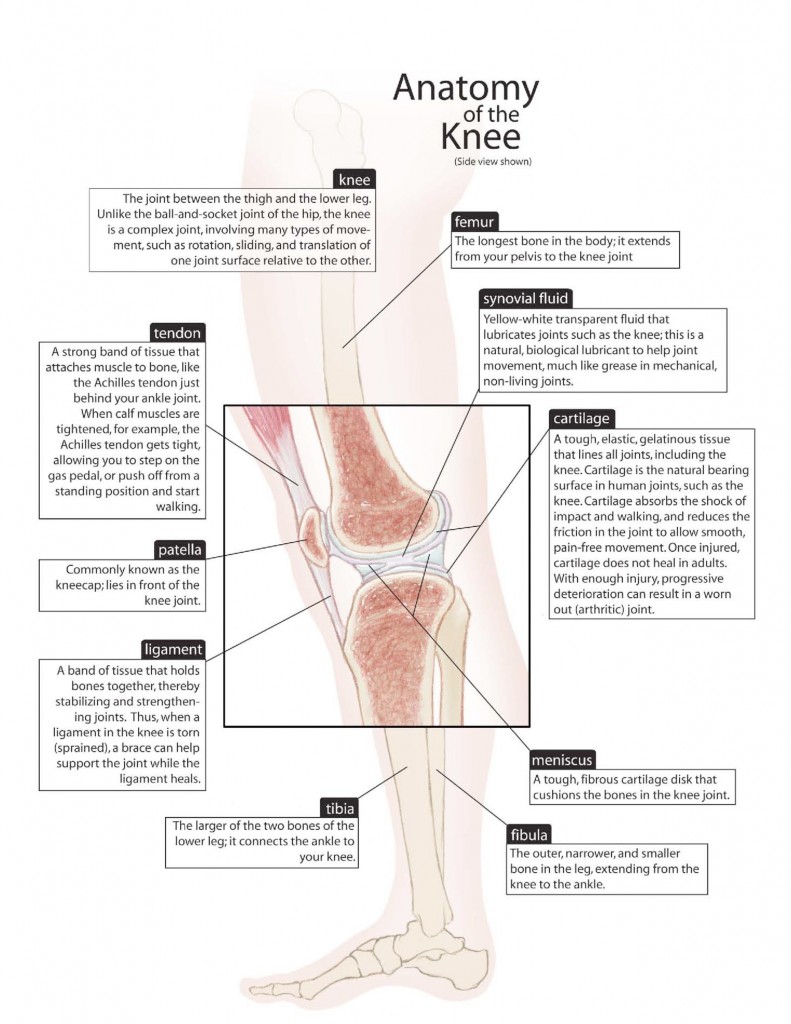
Anatomy of the Knee

by

The knee joint is the mobile connection between the thigh bone (femur) and the shin bone (tibia). Cartilage lines the knee joint, and the moving surfaces are held together by strong ligaments and tendons.

The knee works roughly as a hinge joint, although actual knee movement and geometry are far more complex than a simple hinge. Knee motion involves rotation, sliding, and many other types of movement.

The joint lining (called synovium) secretes a grease-like liquid called synovial fluid, which reduces friction in the knee joint. This fluid is produced in other joints also, and it is the equivalent of biological “motor oil.” This oil-like fluid keeps the knee joint lubricated.

chart with descriptions of knee anatomy

Filed Under: KNEE, Knee Surgery Tagged With: anatomy

Day of Knee Surgery

by

What will happen on the day you’re having your knee operation?

You’re probably feeling nervous about your surgery!

Where will the surgery be done?

Of course it depends on the surgeon and medical team you’ve chosen. A good option is an advanced specialty orthopaedic hospitals and center.

Such centers are specifically equipped for joint replacement surgery and national data show a lower risk of complications, such as infections, and better outcomes from hip and knee replacement surgery at such specialized centers.

Your surgeon and medical team will offer you specific guidance and answer all your questions; please follow their instructions! The advice below is general; not every surgeon or hospital does things the same way.

What should I do the day of my surgery?

Remember not to eat or drink anything, including gum, candy, chewing tobacco, etc. Avoid make-up, nail polish on fingers or toes, perfume, or cologne. Remove all jewelry in anticipation of surgery.

Can I wear my contact lenses to surgery?

You will have to remove your contact lenses prior to going into the operating room. Bring glasses, if you have them, or bring solution and a holder for your contacts.

What type of anesthesia will I have?

Most surgeries are done using a spinal anesthetic with sedation. This type of anesthesia is safer than general anesthesia for knee replacement surgery. In addition, a combination of injections and pain pumps is common. If you have any preference for a certain kind of anesthetic, please let your medical team know.

Modern anesthetic drugs ensure that you will probably remember very little, if anything, about the surgery, and are developed to ensure your safety and comfort.

Where does my family wait and how will they know about surgery?

Your family will wait in a designated waiting room while you are in surgery. They will be informed when surgery is completed and you are in the recovery room. You will remain in the recovery room for approximately 1½ to 2 hours before going to your room. Your family can see you once you have arrived in your room.

How much will I hurt right after surgery?

Early pain is almost eliminated with modern pain medications and anesthetic techniques. Recovery from surgery is far more comfortable today than it was just a few years ago. Pain medications may be given through a fine catheter in your back, or may be injected close to the femoral nerve.

Pain medications may also be given in the form of a patient-controlled analgesic (PCA) which runs into the IV; you control the dosing. The knee joint itself and the tissues around it are injected with local pain-killing drugs.

If you have been taking narcotic drugs before surgery, pain control after surgery is usually more difficult since the body is already desensitized to the pain killers. In such cases, a higher dose of pain killers is often needed, and sometimes a combination of drugs.

Pain medicines can be given by mouth, intravenously, or by intramuscular injection. If you hurt, please let someone know; they want to minimize discomfort and customize the treatment for you.

By the time you leave the hospital, your pain will be properly controlled by an oral pain medication. Depending on the patient, such medications may be taken for several weeks to several months.

What can I expect right after surgery?

You will be monitored in the recovery room for an hour or two, and most patients are reasonably alert by this time.

You will notice a bulky dressing on your knee and an ice pack. This ice pack helps to control pain and swelling. You may also have a drain in the incision that looks like a plastic tube; this is removed within 24 to 48 hours. Expect a catheter in your bladder to keep urine drained; this is usually removed within 24 hours.

After an hour or so the nursing staff will take you to a private room on a floor that has expertise in caring for knee surgery patients. If your family plans to stay in the hospital room with you, please talk to your nurse so that arrangements can be made.

The nursing staff will coach you to take frequent deep breaths after surgery. You will have a breathing device to help with this. This is a plastic breathing exercise machine designed to prevent pneumonia and keep the lungs healthy.

You may have an overhead trapeze or lift on your bed to assist you in moving independently. This allows you to use your arms to move your body. Feel free to position your body in any way you want after knee surgery. The knee can be bent or straight after surgery, as you prefer. For the first night, it’s best to keep the leg slightly bent, on a pillow, since this reduces bleeding in the knee. The head of the bed can be in any position that you like.

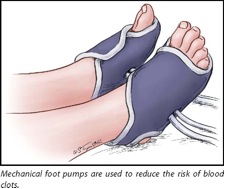
You will have some sort of pump device squeezing your feet or legs to reduce the chance of a blood clot. You should exercise your calf and ankles regularly after surgery while you are awake. This will cut down the risk of a blood clot.

Right after surgery, avoid eating solid foods. It is better to start with liquids, and make sure that you can handle these before you progress to a full diet. Nausea is a very common side effect of modern pain medications.

Why are there foot pumps on my feet after surgery?

illustration of mechanical foot pumpsMechanical foot pumps are used to squeeze the feet and ankles intermittently after surgery in order to help reduce the chances of a blood clot forming. These are useful while you will be in bed and resting. They are commonly used while you are in the hospital; you will not use them at home.

Will I have nausea and pain immediately after surgery?

Typically, patients have little to no pain, but nausea is more common. This nausea can come from the anesthetic drugs or from pain medicines and we can help control it by changing pain medicines and prescribing anti-nausea agents if necessary. If you have pain, nausea, or any other disagreeable sensation, let the nursing staff know. They are very knowledgeable in controlling such symptoms. Usually, an adjustment of medications is all that it takes.

Is there a risk of falling in the hospital?

Yes. A combination of unfamiliar surroundings, surgery on the leg, narcotic medications, nerve blocks used to control pain, and the effects of anesthetic drugs can increase the risk of falling.

To avoid a fall in the hospital and after discharge, use a walker when out of bed, even if you feel that the knee feels fine and will hold you up. If in doubt, ask the nurse or therapist for assistance.

Filed Under: KNEE, Knee Surgery Tagged With: anesthesia, operation

Knee Surgery Techniques

by

What goes on during a knee surgery?

Here are typical procedures that may help you understand the procedure.

How do you attach the artificial knee to my bone?

Your orthopedic surgeon will probably use bone cement to do this. The majority of total knees are affixed with cement, although un-cemented designs are also used. Outcomes from both are very good. For young and active patients, cement-less total knees are usually preferred because of excellent fixation and durability. Living bone next to the prosthesis keeps the implants secured over time, whether or not cement is used. The choice of cemented versus un-cemented knee depends on many factors, such as patient age, knee deformity, status of ligaments, and the quality of bone.

Who does the actual surgery?

Although team members will assist, and resident physician or students may observe, you should expect that a competent orthopaedic surgeon will perform the entire operation.

Does the orthopedic surgeon replace my kneecap too?

In part, yes. On the underside your own kneecap (also called the patella) a thin layer of arthritic cartilage and bone is removed during surgery. In its place, surgeons affix a plastic kneecap to your own remaining kneecap. This new part functions just like your own kneecap. The front surface of the kneecap is your own bone; it is the underside of the kneecap that is lined with plastic.

Are knee ligaments removed during surgery?

Knee Surgery TechniquesInternal knee ligaments (anterior cruciate ligament and posterior cruciate ligament) are usually so worn out in arthritic knees that what remains of them is removed. The knee prosthesis itself is engineered to substitute for internal knee ligaments and stabilize the joint.

New knee designs, such as the CONFORMIS custom-knee that is built for each patient offer the benefit of preserving knee ligaments. New knee designs and materials are constantly being introduced.

The supporting ligaments outside the knee joint are usually preserved during replacement surgery. These external ligaments are called the medial collateral ligament (located to the inside the knee) and the lateral collateral ligament (located to the outside of the knee). These ligaments continue to function after knee replacement surgery. For severe deformity, arthritic destruction, or unusual cases, prosthetic designs can substitute for all knee ligaments, providing more stability when compared to routine total knee prosthesis.

Thus, even very unstable and deformed knee joints can be replaced successfully, allowing the patient to fully weight-bear immediately, without fear of the knee giving out, and without knee braces. The choice of implant is based on the individual case and amount of knee joint deformity, as well as surgical judgment.

Will my leg have a tourniquet on during surgery?

A thigh tourniquet is a device like a blood pressure cuff. It is placed on your thigh and inflated to let the surgeon operate more easily by cutting off the blood supply to the leg while the knee joint is open.

For convenience and out of habit, many surgeons in the United States do use a tourniquet for knee replacement surgery. It is worth asking him or her about. Tourniquets can lead to increased tissue trauma to the thigh muscles, which are squeezed hard for the entire duration of surgery, and a lack of oxygen to the entire leg during the operation. The result is pain, tissue damage, and delayed recovery.

Will the knee bleed more without a tourniquet?

Studies have shown no difference in blood loss during knee surgery done with or without a thigh tourniquet. Without a tourniquet, most blood loss occurs during the operation. If need be, this blood can be collected by a cell-saver device and given back to the patient. With a tourniquet squeezing the thigh, all the blood loss occurs after the tourniquet is let down and oxygen-deprived tissues get the blood flow restored. This blood is usually collected in a drain placed in the knee joint after surgery and discarded.

How does computer navigation help in knee replacement surgery?

Precise alignment of the bones during knee replacement is critical to the long-term performance of the joint replacement. Computer programs can help in such alignment of bones, and reduce the possibility of error. Beyond computer-assisted technology, robotic arms help position bone preparation guides very precisely, and optimize the result for each patient.

With the advent of the custom-made knee replacement by CONFORMIS (Boston, MA), the need for gender-specific knees, left versus right knees, race-specific knees, high-flex knees, computer navigation, robotic-assisted surgery, and other supportive technologies is entirely obsolete and a thing of the past. With a custom-designed knee replacement, the fit, fill, sizing, orientation, rotation, depth, shape, contours, geometry, flexibility, and instrumentation are all optimized for one particular knee, unique to the individual patient. These parameters are optimized to their theoretical extreme, such that surgeon-to-surgeon variability is minimized, thereby maximizing patient outcomes, recovery, safety, reliability, and quality. This technology is revolutionary and commonly used for total knee replacements. Added benefits are simplification of surgery, reduction in product inventory and complexity, and the reduced chance of error.

In the world of knee (and hip) replacement surgery of tomorrow, custom-built implants will increasingly become adopted as surgeons and hospitals see the efficiency and benefits of this technology, at no added cost, and little downside. That is why we preferred to build each knee implant on a custom basis, for each patient. No two people are alike, and that applies to the knee joints as well, providing the most compelling, logical, and reasonable rationale for a custom, patient-specific approach to knee replacement.

Ask your surgeon about the latest materials and procedures.

Filed Under: About Knee Replacement, KNEE Tagged With: computer technology, conformis, surgeon, tourniquet

Points for Successful Hip Surgery

by

  • Inform yourself about outcomes and risks of surgery.
  • Get recommended medical, dental, and other checks to ensure safety.
  • Exercise muscles before surgery, whether upper or lower body.
  • Understand and follow discharge instructions when you leave the hospital.
  • Communicate with your surgeon and primary doctor often, especially if you have questions.
  • Avoid smoking and excess alcohol use during recovery.
  • Maintain good hygiene and reasonable body weight.
  • Participate in scheduling, planning, discharge, and related processes.
  • Select a surgeon in whom you have confidence and trust.The decision to have elective surgery should be made after careful thought and deliberation.

Filed Under: HIP, hip surgery

Parts and Materials for Hip Replacement

by

How do the implants work in a hip replacement?

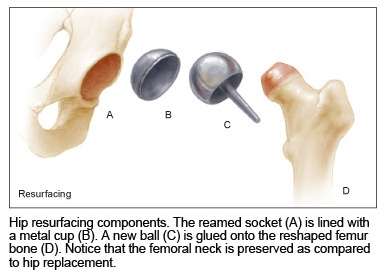
You have a natural socket (called the acetabulum) in the pelvis. The hip ball normally sits in this socket. By reaming away the damaged bone and cartilage, fresh bone is exposed, and a slightly oversized hemispherical socket made of a sturdy, inert titanium alloy is impacted into your bony socket. Usually this impaction does not require fixation with screws since the mechanical press-fit is snug enough. Into this titanium shell, a bearing surface of polyethylene, ceramic, or metal is then locked mechanically.

Next, the femur (thigh bone) is prepared by cutting off the arthritic femoral head (the ball of your hip joint). The cavity inside the femur bone is enlarged, and a slightly oversized femoral implant is securely impacted into the femur. The stem has a metal junction at its top end, designed to fit an artificial ball. This ball is made of a cobalt-chrome alloy, or ceramic, and matches the diameter of the bearing earlier fitted inside the artificial socket.

Once the ball is placed in the socket during surgery, the surgeon must adjust leg lengths, implant stability, muscle tension, and range of movement of the hip joint. This is where surgeon judgment and expertise are critical. The new artificial ball will rotate inside the synthetic shell just like a natural hip ball and socket would, except the artificial parts will not produce any pain.

What materials are used in a hip replacement or resurfacing?

hip resurfacing components

The structural parts are made of titanium alloy. Structural means that the skeleton grows and bonds permanently to these parts. Alloy means that the metal is not pure titanium. It is a mixture of other metals to enhance the safety, performance, and avoid possible allergic reaction to any one metal.

Titanium alloys are used for this purpose because of durability, biocompatibility, several decades of experience, and the fact that titanium is less stiff than other metals and therefore better suited for skeletal reconstruction.

hip replacement components

The bearings are mounted on the structural parts, using specially engineered tapers. Bearing surfaces in the hip are made of plastic, metal, or ceramic. The choice of bearing depends on the individual patient.

In engineering hip replacement components, the structural parts are optimized for their ability to bind to living bone and for long-term biocompatibility and durability, while the bearings are optimized for the lowest wear rates.

What do you do on the socket side of a hip replacement?

On the socket (pelvic) side of a hip replacement or resurfacing, a metal half-shell is fitted inside the patient’s own bony socket. Inside this shell, a locking mechanism fastens the bearing, which can be polyethylene, metal, or ceramic. Screws were once used to fix the socket to the pelvis bone, but with modern designs, screws are rarely necessary.

The bearing part can be changed even years down the road, without disturbing the metal cup that has grown into the pelvis.

What do you do on the femur side of a hip replacement?

On the femur (thigh bone) side, the inside cavity of the thighbone is enlarged, and a metal femoral stem is implanted in this cavity, where it will bind to the bone. On this stem, an artificial ball is attached using an engineering taper. The ball is made of either cobalt-chrome metal, or ceramic. The ball can be changed at any time in the future, if need be, without removing the stem from the femur.

What brand of hip implants do you use?

Brands such as Zimmer, OMNI, and Wright Medical Products have been popular in the past, but new ones are always being tested. Look for designs that have withstood the test of time, with excellent long-term results. Implant companies make several models and designs of implants, and the precise application depends on individual patient needs and anatomy.

The most common bearing surface used in hip replacements is a cobalt-chrome ball with a cross-linked polyethylene socket liner. This bearing is built upon decades of experience with standard (non cross-linked) polyethylene; the material offers more flexibility and options to make hip replacement safe and predictable.

If you have a strong preference for a certain type of joint prosthesis, or a certain type of material, discuss that with your surgeon.

There is very little difference between the implants offered by the major manufacturers. Be wary when companies pay doctors to promote or use any product.

What if I want a particular brand of hip replacement?

Simply let your surgeon know. You want to work with someone who embraces the latest technology, biomaterials, and surgical methods.

Be cautious about the unregulated marketing and promotion of hip and knee implants though. Orthopaedic companies and hospitals want business, and their advertisements rarely give the complete picture. Your surgeon should offer you unbiased opinion about different implants, while respecting whatever decision you make in this regard.

How much do the parts used in hip replacement weigh?

The parts weigh about 3 to 5 pounds. The bone removed during hip replacement weighs a little less. So, you may gain a few pounds of body weight as a result of hip replacement surgery. This is more than balanced by the fact that people tend to lose weight after surgery due to diminished appetite and the stress of an operation.

Why does an artificial hip wear?

Everything wears out over time. Artificial hip bearings are no exception. During everyday activity, our hips endure several million cycles a year. People who are athletic or walk more than usual will load their joints even more. Cyclic loading leads to wear, even though modern hip bearings are extremely wear-resistant. But, no bearing surface is completely wear-proof.

Realistically, for most patients, bearing wear in an artificial hip is not a practical concern. Assuming the surgery is done properly, most modern hip bearings will last longer than the patient’s lifespan.

Where do wear particles from the artificial hip go?

All hip bearings produce microscopic wear particles that collect in the soft tissue envelope around the artificial hip. This layer of tissue, called the hip capsule, forms around the prosthetic joint after surgery. Cells in this layer act like a “biological sink” by absorbing and storing the wear particles.

Some wear particles migrate into the body, and are spread by the circulating blood to remote organs such as the heart, liver, spleen, and lymph nodes. No study has shown any adverse impact of such wear particles from artificial hips that spread throughout the body, although this remains an area of investigation and research.

What is the advantage of ceramic bearings in hip replacement?

Ceramics are synthetic materials, used in industrial applications. When used in orthopaedic bearings, their wear rates are extremely low.

A disadvantage of ceramic bearings is that there are fewer options for the surgeon. This is related to engineering limitations. With future developments, ceramic bearing use may become more widespread. Today, for most patients, a cobalt-chrome ball and cross-linked polyethylene offers the best trade-offs between safety, longevity, flexibility, long-term wear, and sizing options.

Can ceramic parts be used in my hip replacement?

Yes, such as a ceramic ball and a plastic socket. Or we can use ceramics in both the ball and the socket. Either combination offers extreme wear resistance and durability.

Old-design ceramics were brittle, and the extreme hardness of ceramic materials limited their use in hip replacement. The newer ceramics are super tough alloys, especially engineered for the orthopaedic market. They are safer, and have excellent long-term outcomes, with almost zero wear.

Even newer ceramic materials made of silicon nitride are in development; silicon nitride offers even less wear, with extreme durability and strength.

When do you use cement to fix the hip components?

Cementing implants is reserved for the elderly and for cases in which the bone anatomy requires a cemented implant. The majority of hip replacements are done without bone cement.

In decades past, cement was used extensively to attach metal parts to bone. Cement is now rarely use cement in hip replacements thanks to developments in biomaterials and implant design.

How durable are cemented parts in hip replacement or resurfacing?

Data from hip replacements done many decades ago show that cemented total hip sockets usually loosened up after 10 to 15 years and that cemented femoral stems usually loosened up after 15 to 20 years. Today, cement is rarely used in hip replacements; in fact, if a previously cemented hip replacement has come loose, the parts used in repeat surgery are of a cementless design. Such components are designed to heal to native bone; this type of skeletal fixation has almost indefinite durability.

How do cementless hip implants attach to bone?

They attach by healing directly to bone. Metal surfaces are designed with a porous honeycomb metal structure, into which bone can grow. This biologic fixation is very strong and will not loosen over time.

While bone is growing into such parts, initial stability relies on a mechanical fit between metal and bone. This is achieved by physically impacting or hammering the parts into bone during surgery.

Once bone grows into the socket and femoral stem, the bond is permanent.

Can I get the same hip implant that a famous celebrity has?

Implant companies use celebrities to promote hip replacement, typically showing the youthful lifestyle and active involvement in skiing, golf, and other outdoor activities. Please view all marketing and promotional information with skepticism; such information is not always complete.

In reality, participation in sports such as golf and other activities is just as possible with one brand of hip components as the other. No brand in the market today is superior in terms of returning patients to activities faster or in giving patients an advantage in a specific sport, no matter which celebrity a company pays to tout its products.

Do I need a custom implant or instruments made from CT/MRI studies?

Hip components come in many sizes, configurations, models, and geometries. Off-shelf components give a precise fit in nearly all the patients. In some cases involving congenital abnormality, special-sized components can be ordered if necessary.

Technology keeps advancing, and in the future, custom-built hips that are designed precisely for one person to ensure perfect leg lengths, tissue tension, fit, and sizing will probably become a reality. Surgery advancements will probably mean that some patients may even be able to go home the day of surgery. These innovations reflect research and product development that professionals around the country are actively engaged in at the present time, to further improve on the already very successful operation of hip replacement.

Do you use human tissue or parts for hip replacement?

In routine total hip replacement, no such tissue is needed. Many years ago, we used allograft bone in some complicated cases to restore deficient bone. But with newer metal composites that can be shaped like bone, human tissue is no longer necessary for hip surgery.

In fact, metal augmentation techniques have advanced such that we can help patients who in the past were probably beyond help. The ability to rebuild hips that have had multiple operations previously, and to restore people to function, is a practical advantage of innovation and improvement in our health-care system.

Can patients develop an allergy to the artificial hip?

Such occurrences are exceedingly rare. Most commonly, what is often called an allergy is a missed, subtle infection. True metal allergies are usually well known to the patient ahead of time. In such unusual cases, it is possible to use components made of alternative metals, based on allergy testing, to which the patient is not sensitive.

Some patients did develop allergies and reactions to the metal-on-metal bearings; those designs have been recalled from the market.

Filed Under: About Hip Replacement, HIP Tagged With: biomaterials, ceramic, implant, silicone nitride, tissue, titanium

During Hip Surgery

by

Here are answers to frequently asked questions about what happens during hip surgery and immediately afterward. Procedures vary somewhat at different hospitals and with different surgeons. Be sure to discuss this with your specific surgeon and medical team!

Who will be doing my hip surgery?

Hip surgery is complex, and requires judgment and experience. Although team members will assist, and resident physician or students may observe, you can expect that an experienced orthopaedic surgeon will perform the entire operation.

Where will the surgery be done?

There are many state-of-the-art, technologically advanced specialty orthopaedic hospital in the U.S.  Such centers are specifically equipped for joint replacement surgery and national data show a lower risk of complications, such as infections, and better outcomes from hip and knee replacement surgery.

What type of anesthesia will I have?

Typically, a spinal anesthetic with sedation will be used. This type of anesthesia is safer than general anesthesia for hip replacement surgery. In addition, we used a combination of injections and pain relief modalities. If you have any preference for a certain kind of anesthetic, please let your medical team know. Modern anesthetic drugs ensure that you will probably remember very little, if anything, about the surgery.

What should I do the day of my surgery?

Do not eat or drink anything, including gum and candy. Unless advised differently, take your blood pressure and heart medications with a sip of water. Avoid make-up, nail polish on fingers or toes, perfume, or cologne. Remove all jewelry in anticipation of surgery.

Can I wear my contact lenses to surgery?

You will have to remove your contact lenses prior to going into the operating room. Bring glasses, if you have them, or bring solution and a holder for your contacts.

Where does family wait and who updates them?

Your family will be in a waiting room while you are in surgery. They will be informed when surgery is over and you are in the recovery room. You will remain in the recovery room for approximately 1 or 2 hours before going to your room. Your family can see you once you have arrived in your room.

How much will I hurt after surgery?

There is very little pain early on, since modern pain medications and anesthetic techniques are very effective. Recovery from surgery is far more comfortable today than it was just a few years ago.

The hip joint itself and the tissues around it are injected with local pain-killing drugs.

If you were taking narcotic drugs before surgery, pain control is more difficult since the body gets desensitized to the pain-killers. In such cases, doctors typically prescribe a higher dose of pain-killers, and sometimes use a combination of drugs.

Pain medicines can be given by mouth, intravenously, or by intramuscular injection. If you hurt, please let someone know; they want to minimize discomfort and customize the treatment for you.

By the time you leave the hospital, your pain will be properly controlled by an oral pain medication. Depending on the patient, such medications may be taken for several weeks.

What can I expect right after surgery?

medical staff talking to patient in hospital roomYou will be monitored in the recovery room for about an hour, and most patients are reasonably alert by this time.

You will notice a bulky dressing and an ice pack on your hip. The ice pack helps to control pain and swelling. You may also have a drain in the incision that looks like a plastic tube; this is removed within 24 to 48 hours. Expect a catheter in your bladder to keep urine drained; this is usually removed within 24 hours.

After an hour or so the nursing staff will take you to a private room. If your family plans to stay in the hospital room with you, please talk to your nurse so that arrangements can be made.

The nursing staff will coach you to take frequent deep breaths after surgery. You will have a breathing device to help with this. This is a plastic breathing exercise machine designed to prevent pneumonia and keep the lungs healthy.

You will have an overhead lift on your bed to assist you in moving independently. This allows you to use your arms to move your body. Feel free to position your body in any way you want after hip surgery. For the first night, we prefer the leg slightly bent, on a pillow, since this reduces bleeding in the hip. The head of the bed can be in any position that you like.

You will have elastic stockings on and some sort of pump device squeezing your feet or legs to reduce the chance of a blood clot. You should exercise your calf and ankles regularly after surgery while you are awake. This will cut down the risk of a blood clot.

Why are there pumps on my feet after surgery?

Mechanical foot pumps are used to squeeze the feet and ankles intermittently after surgery in order to decrease the risk of blood clots. These are useful while you will be in bed and resting; you will not need them at home.

When can I eat after surgery?

Right after surgery, avoid eating solid foods. It is better to start with liquids and make sure that you can handle these before you progress to a full diet. Nausea is a very common side effect of modern pain medications. So, go slowly right after surgery to make sure you can keep liquids down, without nausea, before you progress your diet.

Filed Under: HIP, hip surgery Tagged With: anesthesia, operation, recovery

Hip Surgery Techniques

by

How are hip surgeries performed?

Common approaches are covered here.

What is a surgical approach?

The anatomic pathway used to reach the bones of the hip joint is also referred to as the surgical approach. Each surgical approach is a different technique to gain access to the joint itself, and exposes the anatomy for a hip replacement or hip resurfacing.

The most common hip joint surgical approach used by U.S. surgeons is called the posterior (from the rear) approach. Patients who have had a posterior approach typically have a curved scar on the outside of the thigh with a top part of the scar curving into the buttock. This approach is very popular, easy to learn, predictable, and cuts through a limited amount of muscle and tendon, resulting in good recovery.

Even in the hands of very good surgeons, the posterior approach is associated with a small risk of the hip popping out after surgery. Newer techniques and implants have reduced this risk somewhat, but a small possibility of hip dislocation remains associated with the posterior approach.

Another common surgical approach to hip replacement is the lateral (from the side) approach. The lateral approach also involves a scar on the side of the thigh, but instead of being curved, the scar is usually a straight line. The advantage of this approach over the posterior approach described above is a lower risk of dislocation.

The lateral approach nearly eliminates the risk of dislocation, but the approach involves cutting through more muscle tissue on the way to the hip joint. As a result, patients will usually have a slight limp after surgery, which generally disappears 6 to 12 months following surgery.

Another popular approach is called the anterior (from the front) approach. This method is still new in the U.S., with more surgeons using it every year. Very few surgeons in the United States use this approach routinely for all hip replacements. This is a true muscle-sparing approach with a very quick recovery.

What are the advantages of the anterior approach?

One advantage of the anterior approach relates to easier and safer patient positioning for surgery. The patient is on the back, which is a more natural position than placing the patient on the side, which is required in the posterior and lateral approaches.

Another advantage is that leg length checks are easier when the patient is on his or her back. Both legs can be easily assessed relative to each other.

Finally, the anterior approach does not cut through any muscle. The muscles are separated along their natural planes, and the entire joint can be replaced through a much shorter incision, with true sparing of muscle.

Muscle-sparing is beneficial in another way. The risk of dislocation (the hip ball popping out of the socket unexpectedly) is nearly zero with the anterior approach. With other methods of hip replacement, patients must follow certain precautions for a lifetime.

For example, patients are usually advised to not bend too far, tie shoes, or cross the legs for fear of the hip popping out of socket. These precautions and worries do not apply to hips replaced using our anterior approach.

Around 2003, a “two-incision” hip surgical approach was developed by surgeons in Chicago as the first truly minimally invasive hip replacement. We adopted that technique, published our results in peer-reviewed literature, and refined the method to make it safe and predictable in our patients.

The present-day anterior approach is an evolution of that work; instead of two incisions, the anterior approach allows us to perform the entire hip replacement through one short skin incision placed toward the front of the thigh.

Patient recovery and function are better with the anterior approach, when compared to conventional techniques.

What are the disadvantages to the anterior approach?

This technique is still relatively new and not widely used in the United States, since it involves new learning and is difficult to master. Very few surgeons use it routinely in all patients, given the technical challenges in learning it and getting comfortable with the technique.

Another reason is that with the scar in the front there is the risk of skin numbness over the side and front of the thigh as the result of microscopic skin nerves that are cut in during surgery. These nerves will heal over time, and thigh sensation is restored a few months after surgery. The nerves do not affect any muscles; subjective numbness is the only symptom.

Thigh numbness is usually not a significant issue other than a transient symptom that resolves. It is generally agreed that the temporary numbness is more than balanced out by the substantially improved recovery, reduced pain, absence of a limp, faster return to function, and virtual elimination of the risk of hip dislocation.

What surgical approach is typical for a complex total hip replacement?

In very difficult hip reconstructions, such as those in which the hip has been replaced many times previously, or the pelvis has to be repaired with plates and screws before placing a metal socket, or where extensive repair of the femur needed, the surgical method that spares the muscles while permitting the best exposure is called a trochanteric osteotomy.

A trochanteric osteotomy involves cutting a piece of bone near the top of the femur. This bone is called the trochanter, and is the bump you can feel on the side of the thigh. The major hip muscles involved in walking all attach to the trochanter.

Cutting the trochanter with all the muscles still attached is the oldest of hip approaches. Once the trochanter is cut, it can be moved aside along with the attached muscles, thereby facilitating entry into the hip joint. The resulting view of the hip is excellent for any type of hip replacement, no matter how complicated or difficult.

Metal cables are used to reattach the trochanter to the femur. The trochanter can be attached farther down the femur if tightening of the muscles is desired. This method gives the surgeon the freedom and flexibility to adjust leg lengths and tissue tension, independent of each other.

For first-time hip replacements, and even many repeat hip replacements, a trochanteric osteotomy, despite its above advantages, is rarely needed. This method is dictated by complex, difficult, and unusual hip replacement cases.

Do surgeons use computer navigation during hip replacement surgery?

Precise alignment of the bones and components is essential to the long-term success of both hip replacement and hip resurfacing. Computer and robotic technology can help in alignment of bones and reduce the possibility of error.

However, so far there is no substitute for the skill, judgment, experience, hands, and eyes of a high-volume surgeon.

Future technology is aimed at building custom hip components for each patient, thereby ensuring a precise operation and optimal implant placement, with no need for robots or computers.

What is the role of computer guidance in hip replacement?

At present, computer-assisted technology is most effective for low-volume surgeons. It helps such surgeons reduce the likelihood of error in implantation of the hip components. For some surgeons and hospitals, the greatest advantage of this technology is in marketing.

In other words, computer and robotic technology, while sounding fancy, do not add much value to the hands of an experienced, high-volume surgeon.

What about that minimally invasive hip replacement that I read about?

Bear in mind that all surgery is invasive to the mind, body, and psyche. Surgery is a very different experience for the patient than it is  the surgeon, hospital, or implant manufacturer. Hip surgery is much easier today when compared to the past, but complications, pain, discomfort, and recovery still apply. Each patient’s expectations and physical, emotional, personal, and spiritual attributes are different and affect recovery profoundly.

For example, some patients can leave the hospital the same day or the day after hip replacement. But this is not true of all patients. Unfortunately, some health-care professionals use words like minimally invasive surgery, computer-driven surgery, custom-built implants, and same-day operation as business-driving tools. This type of marketing can be misleading and can create unrealistic expectations.

How long will my scar be?

The scar is about 3 to 5 inches long, and placed in front of the thigh. The length of the scar can vary, and will depend upon patient body size, the severity of arthritis, the condition of the soft tissues, and the deformity of the joint.

While the length of the scar has little to do with how fast you heal, everyone prefers to have the shortest scar. Your surgeon will aim for the smallest possible incision that allows safe and efficient surgery, with accurate implant placement.

Independent of the scar length, hip replacement surgery with our anterior approach avoids muscle damage. By spreading muscles apart, the recovery is much faster and easier.

Are there newer surgical approaches being developed?

Yes, there are exciting innovations constantly being developed. One example is the “Super-PATH” technique with which we hope will improve recovery by minimizing surgery so much that same-day discharge may be possible for some patients. These efforts entail painstaking, detailed experimental work in the laboratory, extensive cadaver-surgery training, development of new instruments, and collaboration with experienced and gifted colleagues nationwide.

Filed Under: About Hip Replacement, HIP Tagged With: anterior, trochanteric osteotomy

About Arthritis, An Underlying Cause of Joint Pain and Deterioration

by

For many people, it’s helpful to understand more about Arthritis, an underlying cause of joint paint and deterioration.

What is arthritis?

Arthritis is the number one cause of chronic disability in the United States. Affecting nearly 40 million Americans, it refers to more than 100 diseases that cause pain, stiffness and swelling from the inflammation of a joint or the area around joints.

Are there different types of arthritis?

Yes. Osteoarthritis, fibromyalgia, and rheumatoid arthritis are the most common.

What is Osteoarthritis?

About Arthritis, An Underlying Cause of Joint Pain and DeteriorationOsteoarthritis is a noninflammatory degenerative joint disease characterized by the breakdown of the joint’s cartilage.

It affects an estimated 21 million people in the United States and is characterized by mild to debilitating pain in the hands and joints such as knees, hips, feet and back. According to the Arthritis Foundation, the disease is most prevalent among individuals 45 years of age and older. Women are more prone to the disease.

When the joint cartilage is broken down by the disease, it removes the buffer between bones. The resulting bone-against-bone friction causes pain and eventual loss of movement. Symptoms include joint pain or aching (often after exercise or extended periods of pressure on weight-bearing joints) and limited or eventual loss of range of motion.

How do you get Osteoarthritis?

The exact cause of osteoarthritis is unknown. There are a wide array of factors that are known to contribute to the development and progression of the disease, including aging, obesity, joint injuries (sports, work or accidents), and genetics.

How do patients find out if they have Osteoarthritis?

An individual must seek the diagnosis of a physician. After a physical examination and full detailing of symptoms have been discussed, the physician may also recommend X-rays to confirm presence of the disease.

What is Fibromyalgia?

Fibromyalgia is the second most common type of arthritis, affecting 3.7 million Americans, mostly women; 70 to 90 percent of people who develop this disease are women aged 20 to 50.

Fibromyalgia is a disease involving pain in muscles or joints with no clinical signs of infection. It is often misdiagnosed as chronic fatigue syndrome, and usually does not require surgery.

What is Rheumatoid Arthritis?

In some types of arthritis, such as rheumatoid arthritis, the synovium becomes inflamed. This inflammation causes chemicals to be released that thicken the synovium and damage the cartilage and bone of the affected joint. This leads to inflammation of the synovium , which then causes pain and swelling.

What causes arthritis?

The causes of the 100 types of arthritis are unknown. Because there are so many different forms of arthritis, the causes are likely to vary. Scientists are currently examining factors such as genetics and lifestyle affect the development of arthritis.

What changes occur in the cartilage of an arthritic hip?

In a healthy hip, cartilage cushions the area surrounding the hip ball and socket to allow easy movement without pain. In an unhealthy hip, the cartilage is damaged or worn away causing pain from bones rubbing and grinding together.

What changes occur in the cartilage of an arthritic knee?

In a healthy knee, cartilage protects and cushions bone surfaces that come together at the joint. This allows bones to move without friction. In an unhealthy knee, cartilage is damaged or worn away, causing pain from bones rubbing together.

What are some of the symptoms of arthritis?

Pain from arthritis can be continuous or intermittent. Pain may occur after activity or exercise but it may also happen even if you’ve been resting and still for a period of time. Pain may be concentrated in one spot or you may feel it all over your body. Joints may feel stiff and difficult to move. Daily chores such as climbing stairs and opening cans may become a challenge. You may notice that pain is more severe during certain times of the day or after performing certain tasks.

Some kinds of arthritis cause swelling or inflammation. The skin over the joint may appear swollen and red, and feel hot when touched. Arthritis may also cause fatigue.

How can I know if I have arthritis?

Early diagnosis and treatment tailored to your needs are crucial in slowing or preventing damage to joints. Only a physician can determine if you have arthritis and what type it is. Arthritis is diagnosed based on the overall pattern of symptoms, medical history, physical exam, X-rays and lab tests.

The websites of the Arthritis Foundation (www.arthritis.org) and American Academy of Orthopaedic Surgeons (www.aaos.org) contain many informative articles.

Filed Under: HIP, KNEE Tagged With: osteoarthritis

Possible Complications of Hip or Knee Surgery

by

This information about possible complications is critical and should be reviewed by anyone contemplating hip or knee surgery of any kind.

This list will serve as the beginning point of our discussion about your surgery. This may be more detail than you want to know, but please take the time to read this material and understand it thoroughly.

Possible Complications of Hip or Knee SurgeryThe odds of a complication occurring are very small. In the vast majority of surgical procedures, the outcomes are satisfactory; modern surgery is very safe. But, just as riding in a car or flying in an airplane, all risk cannot be eliminated.

Therefore, it is vital that you review the material below, and ask questions, before any surgery is planned. Your surgeon and medical team will proceed with your surgery with the assumption that you understand, accept, and recognize this information.

If these risks are unacceptable, then please postpone the procedure. Bear in mind that although many complications are listed, all surgical procedures have a small chance of unpredictable outcomes — complications that no one can reasonably predict.

Some complications include:

  • Blood Clots
  • Pneumonia
  • Nerve Injury
  • Blood Vessel Injury
  • Blood Transfusion Risks
  • Anesthetic Complications
  • Failure of Implants
  • Heart Attack and Other Cardiac Complications
  • Stroke
  • Dislocation of the Components
  • Infection
  • Fracture
  • Leg Length Inequality and Complications Related to Malalignment of the Leg

Your doctors will assume that you understand possible complications before embarking on surgery. More detailed information about the risks of hip or knee surgery can be found here.

Please understand that they may cancel a scheduled operation at any time up until the time of surgery if, in their judgment, you are unlikely to have a satisfactory result from the surgery or if the risk of a poor result or an adverse outcome exceeds their safe threshold for performing such surgery.

Filed Under: HIP, KNEE, ORTHO NEWS Tagged With: complications, risks

  • « Go to Previous Page
  • Page 1
  • Interim pages omitted …
  • Page 10
  • Page 11
  • Page 12
  • Page 13
  • Go to Next Page »

Primary Sidebar

ORTHO NEWS

Spinal anesthesia tied to increased opioid use after hip surgery

Spinal anesthesia tied to increased opioid use after hip surgery

Useful Health Tips for People With Chronic Hip Issues

Useful Health Tips for People With Chronic Hip Issues

A robotic assistant for joint replacement surgery

A robotic assistant for joint replacement surgery

Prior Diagnosis of COVID Has No Increased Complications in Total Joint Arthroplasty

Prior Diagnosis of COVID Has No Increased Complications in Total Joint Arthroplasty

Putting Your Best Foot Forward for Joint Surgery Success | Health

Putting Your Best Foot Forward for Joint Surgery Success

Use of Antibiotic Lavage in Total Knee Replacement to Prevent Postoperative Infection

Use of Antibiotic Lavage in Total Knee Replacement to Prevent Postoperative Infection

Tips to care for an elderly after hip replacement surgery

Tips to care for an elderly person after hip replacement surgery

Exactech Total Knee Failure Resulted in Revision Surgery, Lawsuit Alleges

Exactech Total Knee Failure Resulted in Revision Surgery, Lawsuit Alleges

AAOS Updates Clinical Practice Guideline for Surgical Management of Osteoarthritis of the Knee

AAOS Updates Clinical Practice Guideline for Surgical Management of Osteoarthritis of the Knee

Robotics Procedure Helping People Recover From Joint Replacement Surgery

Robotics Procedure Helping People Recover From Joint Replacement Surgery

Copyright 2014 All Rights Reserved · DISCLAIMER: Nothing here constitutes legal, medical, or other advice; all content relates to an individual perspective only. A professional relationship with a physician, or with a lawyer is built over time, with mutual investment, trust, and respect. This site is not a substitute for that.
~ THIS DOMAIN IS FOR SALE ~

Privacy Policy