• Skip to primary navigation
  • Skip to main content

HipAndKnee.com - Orthopedic Domain For Sale

High-authority aged domain ideal for orthopedic practices

  • Hip Surgery
  • Knee Surgery
  • Resources
    • Hip and Knee Glossary

KNEE

ROM Technologies: How Far Knee Recovery Technology Has Come

by

HARTFORD, CT, July 23, 2022 /24-7PressRelease/ — It is often said that a knee is simply not a knee post-surgery. As is the case with so many aspects of our lives and bodies that we take for granted. We scarcely realize how much pressure a joint like the knee must endure to keep us moving smoothly and pain-free. Of course, this is until something goes wrong and we need surgery to correct it.

While knee surgeries are sometimes the best option, they have come a long way. Improvements have been primarily due to the changes in medical knowledge and available technologies.

How ROM Technologies is Changing the Game

As stated prior, technology has done wonders to improve the results we experience from undergoing knee surgery. Much of this is due to changes in post-surgery knee recovery technology. ROMTech is a leading organization in pre-op and post-op knee surgery recovery.

Knee replacement is the most popular surgical option. In the past, this would leave recipients with stiff knees that would not help them move or function as efficiently as they desired. Today, the opposite is true.

Today, athletes can undergo knee replacement surgery and, with strategic rehabilitative work, find that they can work their way back to peak capacity. Thanks to leading medical technology organizations, having a knee rehabilitation resource helps ensure that patients can recover as quickly and efficiently as possible with smooth, pain free movement.

Knee replacement surgery no longer means that a sporting career has to end or that daily life has to be significantly hampered. Thanks to ROMTech’s work in producing high-quality joint replacement material, their work is not only limited to knees.

ROM Technologies PortableConnect actually used in both knee and hip patients rehabilitation as well. This makes sense, as a debilitatingly injured or arthritic hip can impact the knees negatively and vice versa. It makes sense that these key features of the lower extremities are considered in tandem.

How to Get Started Working with ROMTech

Since their PortableConnect device enables knee and hip recovery it is easy to see what their focus is on, improving quality of life. Sometimes people with knee and hip issues may be concerned with having to do a procedure.

However, the advancements in ROM Technologies help ensure that higher-quality replacements help reduce the likelihood of the same. As such, they encourage anyone who may need replacement surgery (irrespective of age or even profession) to have it done sooner rather than later.

—
Press release service and press release distribution provided by http://www.24-7pressrelease.com


###[ad_2]
Originally Appeared Here

Filed Under: KNEE, Knee Surgery, ORTHO NEWS

How to Prepare Your Home Before Hip or Knee Surgery

by

If you’re worrying about how to prepare your home before hip or knee surgery, this article should help you enormously.

First important tip: set up your home BEFORE you go to the hospital. This will make it easier for you to recover and to live in comfort when you return. This should be done well in advance.

Ask your doctor or physical therapist to get your home ready.

Advance Home Preparation Makes It Easier

Make sure that everything is easily accessible and on the main floor (or wherever you spend most of your time.)  Limit the amount of stairs you use per day to one.

  • A bed should be low enough that your feet touch the ground when you are seated on the edge.
  • If possible, place your bed on the main/first floor. Although you don’t necessarily need a hospital bed for your comfort, your mattress should be firm.
  • You should have a toilet or portable commode located on the same floor as where you spend most of your time.
  • You can stock up on canned and frozen food, toilet paper and shampoo.
  • Buy or make single meals that can be frozen then reheated.
  • You should be able to reach all the things you need without bending or getting on your knees.
  • Place food and other supplies in a cabinet that is at your waistline and shoulders.
  • Place glasses, teapots, and any other items that you use often on the kitchen countertop.
  • You must be able to reach your phone. You can use a portable phone to get around.
  • In the kitchen, bedroom, bathroom and any other areas you use, place a sturdy chair. You will be able to sit comfortably while you complete your daily tasks.
  • Attach a bag or small basket if you plan to use a walker. You can keep your phone, notepad, pen and other essential items in the bag. A fanny pack can also be used.

It is possible that you will need assistance with bathing, toilet use, cooking, shopping, going to doctor visits, exercising, and even running errands. Ask your provider to send a caregiver to your home if you don’t have anyone to help you for the first few weeks following surgery. This caregiver can help with daily activities and check on the safety of your home.

You might also be interested in these other items:

  • Shower sponge with a long handle
  • A long-handled shoehorn
  • A cane, crutches, or a walker
  • You will need a reacher to pick up items from the ground. Put on your pants and take off your socks.
  • Help you put on your socks with a sock aid
  • To help you stay steady, use the handles bars in your bathroom.

(Amazon has a Hip – Knee Replacement Kit that may be of interest.)

Bathroom Setup for Easier Use After Knee or Hip Surgery

You can reduce your knee flexion by raising the height of the toilet seat. This can be done by installing a seat cover, an elevated toilet seat, or a safety frame for the toilet. A commode chair can be used in place of a toilet.

Safety bars may be required in your bathroom. Grab bars should be attached vertically or horizontally to a wall, and not diagonally.

  • Towel racks should not be used as grab bars. They will not support your weight.
  • Two grab bars are required. The first helps you to get in and out the tub. The other assists you in standing from a sitting position.

There are many ways to make sure you’re safe when you take a shower or bath.

  • To prevent falls, place non-slip silicone decals or rubber suction mats in the tub.
  • For firm footing, use a non-skid bathmat outside the tub.
  • Dry the floors outside of the bathtub or shower.
  • You can place soap and shampoo anywhere you don’t need to stand, reach, or twist.

Take a shower in a chair or a bathtub.

  • Rubber tips are recommended for the bottom.
  • If the seat is to be placed in a tub, you can buy a chair without arms.

Avoiding Falls and Tripping In Your Home After Surgery

Avoid tripping hazards in your home.

  • To move from one room to the next, remove any wires and cords.
  • Take out any throw rugs that are not in use.
  • Doorways with uneven flooring should be repaired. Use good lighting.
  • Install night lights in darkened rooms and hallways.

You may trip if your pet is small or moves around a lot. Consider letting your pet live with a friend or in a kennel for the first few weeks of your stay.

When you’re walking, don’t carry any items. Your hands may be required to balance. To carry your phone and other items, a small backpack is a good option.

You can practice using a walker, crutches or a wheelchair. It is important to learn how to:

  • You can get in and out of a seat easily
  • After using the toilet, sit down and then stand up.
  • Shower in the morning and get out at night
  • The shower chair can be used
  • Stairs can be used to ascend and descend

Is it possible to prevent hip surgery or replacement altogether?

Filed Under: HIP, KNEE, ORTHO NEWS

For Severe Arthritis Pain, Are Multiple Joint Replacements a Good Idea?

by

After several joint replacement surgeries, Lorry Graham jokingly calls herself a “bionic woman.” Friendly and optimistic, the 75-year-old Delaware resident always enjoyed an active lifestyle. And she always felt younger than her chronological age. Therefore, when arthritis caused by wear and tear began to cause an unpleasant weight on the knees and hips, she refused to take it sitting. Over the past six years, she has had four joint replacements at New York City’s Special Surgery Hospital (HSS), both her knees and her two hips, so she can enjoy life without pain.

“The pain was very, very limiting. It was affecting my quality of life and I didn’t want to live like that, ” she says. She decided to do something about it and researched a lot. “There were three main factors I considered before surgery,” she explains. “The first was the best hospital I could find, which was HSS. The second was the best surgeon I could find. And the third component was my mental attitude and my willingness to do the work after surgery to get the best result. ”

For each joint replacement surgery, Ms. Graham, a former high school teacher and advisor, made the trip from her home in Delaware to HSS in New York City. “I always knew I had to do it. I love walking, I love shopping, I love playing with my grandchildren, ” she explains. “And arthritis made me limp, it hurt, it affected my sleep. This type of pain is shown on the face. You are not a happy person. I didn’t want to delay the surgery any longer than I had to. ”

Her doctor, Geoffrey Westrich, MD, who specializes in knee and hip replacements in HSS, says it’s not uncommon for patients to have advanced arthritis in two joints. Having four joint substitutions is less common, but it does happen. He recommends that patients considering various joint replacement surgeries do their research to find a high-volume joint replacement center and an experienced orthopedic surgeon who takes the time to answer all their questions and who they are comfortable with. .

“When someone has more than one joint replacement, timing and recovery are important and no two patients are alike,” says Dr. Westrich. “If someone has painful arthritis in both knees, for example, and conservative treatments like physiotherapy and over-the-counter medications offer no relief, we usually wait about three months between surgeries. It’s the time it takes the body to heal. and the time it takes to do physical therapy and make the muscles strong again. Patients will support their weight with the side that underwent the first surgery. ”

Dr. Westrich adds that a critical factor is the surgeon’s experience in knowing when it is safe to proceed with the next joint replacement. That’s why, after the first postoperative visits, Dr. Westrich sees the patients again after six weeks to make sure they are doing well, and sometimes after three months, before proceeding with a second joint replacement.

These days, on the same day, double replacements of the joints are performed less frequently, as Dr. Westrich and other HSS researchers have found that it is best for most patients to have “in-phase” procedures, that is, to have the surgeries performed at least months apart. “In studies, we have found that bilateral knee replacement surgery on the same day can present more challenges for the patient from a medical point of view, more pain medications are needed after surgery and physiotherapy is much more difficult because they don’t have a good standing leg, so to speak, ”he says.

Dr. Westrich points out that sometimes there is a good reason to perform a bilateral joint replacement on the same day. For example, both arthritic knees may have a severe flexion contracture, meaning they are in a bent position and the patient cannot straighten them. “In these cases, it may be appropriate to do a double joint replacement, as physiotherapy can be much more difficult if the unoperated knee is bent.” He adds that if the contracture is not too severe, a shoe lift can equalize the length of the legs and allow the patient to do physical therapy after two different procedures.

Mrs. Graham had four different surgeries and, less than two months after her final hip replacement in May, said she was feeling very well. “I am shaking this, I am totally shaking it. I went to play mahjong with my friends and when I came in, they couldn’t believe how good I looked and how good I was doing.”

She believes her mental attitude and willingness to work hard in rehabilitation after surgery played an important role in optimizing the outcome of each joint replacement. Dr. Westrich agrees that going in with a positive attitude and dedicating yourself to work can improve outcomes.

“Clearly, Lorry Graham was very interested in his recovery and worked very hard after the surgery to get a good result,” he notes. “There is no doubt that patients who work hard and spend a lot of time on physiotherapy tend to progress faster and have a better overall recovery.”

Just two months after her last hip replacement, Mrs. Graham visited a new New York City park with her friend and walked for more than an hour without pain. “I walk everywhere,” she says. “I am doing better than in the last six years. It feels great. ”

Filed Under: HIP, KNEE, ORTHO NEWS

No Knee Replacement Necessary? Perhaps, with High-Tech Knee Brace

by

[ad_1]

A California robotics company is about to launch a high-tech knee brace that can alleviate the suffering of millions of Americans facing knee osteoarthritis. It can be especially appealing to patients who want to avoid knee replacement surgery.

San Francisco-based Roam Robotics said its $ 7,000 Ascend orthosis should begin shipping this winter. Certified by the FDA as a Class 1 medical device, Roam provides for reimbursement for both Medicare and private insurance. Medicare could cover 50% or more, and private insurance could cover the entire cost in some cases, Roam says.

Roam Robotics CEO Tim Swift

Roam is located in San Francisco’s Mission district, across the street from Oltrelab, an engineering company that has awarded tens of millions of dollars in government research contracts, primarily for robotics and energy projects. Roam is one of several emerging companies emerging from Altrelab. Its founder and CEO Tim Swift is a veteran of Ekso Bionics, a pioneer in the field of the exoskeleton. After working on heavy, super-expensive exoskeletons, Swift concluded that a radical move away from conventional designs was needed if exoskeleton technology became accessible and affordable.

“Our goal is not to build cyborgs. It’s to make people more human than they ever were.”

– CEO Tim Swift

“I think we have the ability to change the relationship that people have with robots on a scale that has never been considered before,” Swift says. “I don’t want people to see robots as something beyond human beings. Our goal is not to build cyborgs. It’s about making people more humane than they ever were. ”

Ascend is made of lightweight carbon fiber and high-strength fabric. The pneumatically powered device is connected to a rechargeable battery that is carried in the backpack. Custom knee arm sensors provide real-time data to Ascend microprocessors, where proprietary algorithms detect the user’s intent and then extend and flex the knee. Ideally, this relieves pain and increases patients ’ability to navigate stairs and master simple daily activities.

Rowan Paul, a sports medicine doctor who has consulted with Ascend, says he may like those who are reluctant to use a cane because of the stigma of disability it entails. Knee strengthening makes them look like an athlete with an injury, he says. Ascend can also reduce or eliminate the need for opioid pain medications or cortisone injections, which offer temporary relief from osteoarthritis, but are at risk for side effects.

“I’ve seen several patients, where if we can just give them a little help in a very specific and precise way, they don’t need to do a knee replacement,” Paul says.

Roam market research places the number of patients living with severe pain and limited mobility due to knee osteoarthritis at 10 million or more.

The company has opened a storefront in San Francisco where patients can try Ascend driving. Reid Weaver came down from Tacoma, Washington, in June to try one and it was sold with the product. “It’s so comfortable and so light, that you don’t even feel like it’s there,” says Weaver, who spent 19 years as a SWAT police officer in Washington state and now works as a court officer protecting the judges of Tacoma.

The weaver had surgery on his legs after a hiking accident, but surgery exacerbated his osteoarthritis. Weaver, 60, is an avid outdoor enthusiast who played football in college and manages to ride a motorcycle to work. With the Ascend knee put on, Weaver finds that he can go up and down the stairs with ease and was surprised that it was no longer a struggle to get up from a chair, a challenge for many with osteoarthritis in the knees.

“That was a lot more powerful than I thought it would be,” Weaver says. “It basically got me out of the sitting position without using my hands, without moving forward. I think it will change the game.

Angelique Newman-Malone, 52, of San Jose, California, says she felt trapped in her own body from osteoarthritis. After coming across an Ascend ad on Facebook, Newman-Malone wore his knee on several occasions and declared it a gift from God.

“I felt like someone was supporting me, like a partner walking beside me,” he says. “That feeling is amazing.”

But the best advantage for Newman-Malone is that the knee strap allows him to kneel and then stand up. A devoutly religious Christian, she said the ability to kneel when praying is key.

Filed Under: KNEE, ORTHO NEWS

98-year-old Woman Walking Smoothly One Day After Knee Replacement

by

[ad_1]

A 98-year-old woman with severe osteoarthritis of the knee has recently undergone total knee replacement surgery. She was discharged 24 hours after the surgery which was performed using the minimally invasive surgery (MIS) technique at Manipal Hospital.

Dr. Rohan Desai, a hip and knee replacement surgeon, said the patient had seen them a couple of years ago with left knee problems. The need for surgery was not felt then. “About a couple of weeks ago he visited us and, after the examination, it was found that his knee was very deformed. He could not stop or walk and was confined to a wheelchair,” Desai said.

After doing the necessary tests and medical advice, it was decided to do the knee replacement surgery. He suffered from comorbidities such as hypertension, heart problems: pacemakers for 15 years, nephropathy and anemia. Diseases were controlled long before and after surgery. “Medical management of comorbidities is very important for successful surgery. We did it with the MIS technique and, in a few hours, he was able to stop and walk to everyone’s surprise. This is the first time that a 98-year-old boy with comorbidities has undergone such surgery in Goa,” he said.

Manish Trivedi, director of the hospital, said people do not usually undergo these procedures once they reach a certain age, for example, after 60 or 70 years. “It is never too late to undergo any type of medical procedure, after consulting a doctor. The patient in question was able to stand up and walk smoothly only one day after the surgery, ”said Trivedi.

“Rapid mobilization was possible in a few hours, thanks to multimodal analgesia and advances in anesthesia techniques, which we use,” he said.

Filed Under: KNEE, ORTHO NEWS

10 Things to Know About Knee Replacement Surgery

by

What are the “top ten things” I should know about knee replacement surgery?

runner suffering knee injury and painThe following points apply to knee replacement surgery, no matter what implants are used, or how skilled your surgeon is.

Knee surgery is not always the best option for knee pain or issues with walking.

Please keep in mind the following:

  • Minimally invasive or not, knee surgery is painful. AVOID surgery if you can.
  • Results from knee replacement depend critically on YOUR motivation, commitment, and participation.
  • Proper PREPARATION for knee replacement will improve your outcome.
  • Artificial knees can be NOISY; they sometimes pop, click, and clunk during movement.
  • SWELLING, ACHING, and HEAT continue for longer than most people expect.
  • Full recovery from knee replacement takes LONGER than most people think.
  • Physical, family, emotional, and spiritual SUPPORT will help recovery after knee replacement.
  • OLDER patients with knee arthritis will typically recover faster than younger patients; while this makes no sense, it is usually the case.
  • If you cannot EXERCISE before and after surgery, avoid knee replacement surgery.

Filed Under: KNEE, Knee Surgery Tagged With: after, complication, recovery, risk

About Knee Replacement

by

Knee Replacement FAQ

It’s important to understand the reasoning, procedure, and options behind a knee replacement. Here are some of the most frequent questions that patients ask.

Is knee arthroplasty different from knee replacement?

No. The terms can be used interchangeably. Total knee replacement is also called total knee arthroplasty. Similarly, a partial knee replacement is called uni-compartmental knee arthroplasty.

Is knee replacement surgery a fairly routine operation?

photo of knee surgeryYes. Hundreds of thousands of knees are replaced each year in the U.S., and world demand for knee replacements is increasing as people live longer and want more out of their lives.

Most orthopedic surgeons perform hundreds of knee replacements each year. While routine, knee replacement is still serious surgery. Each patient is unique, and each person’s anatomy demands careful attention to detail and precise steps during surgery.

Will a new knee joint be a perfect substitute for the real knee?

No, and you should be skeptical of any doctor or advertisement telling you otherwise. Those advertisements are designed to make a sale, rather than educate and enlighten consumers.

Normal human knee movement consists of gliding, rotation, sliding, and other complex movements. A synthetic joint can only approximate the intricacy and complexity of the knee joint that you were born with. No artificial knee joint, regardless of manufacturer’s advertising claims, or surgeon claims, has ever duplicated the complexity and intricate movements of the natural human knee.

The human knee joint has major ligaments and other soft tissue supports; these have fine nerve endings that send sensory, positional, and perceptual feedback to the brain from the knee. An artificial knee is simply metal and plastic. For severely diseased knees, modern total knee replacements provide excellent pain relief and function, but they are never a perfect substitute for the real thing.

What does an artificial knee feel like, if it does not feel natural?

Replacing your natural knee joint is a bit like replacing your natural teeth with dentures. Your own teeth are more than mechanical devices; they play a complex role in biting, chewing, hot-cold sensation, positional sense, vibration, and even taste.

Dentures are not natural or normal; they lack nerve endings and cannot feel vibration, heat, cold, touch, or any of the things we take for granted with our natural teeth. That is why dentures are useful only for patients whose own teeth are decayed or destroyed. Similarly, knee replacements are useful for patients with severe cartilage destruction, who have no other options, and who have thoroughly explored the possibilities.

How can I increase my chances of a successful knee replacement?

The success of knee surgery depends on your participation and how your body heals. Any operation on the human body has some uncertainty with respect to the outcome, despite the best of care.

Healing is a complex process, and each person heals differently. Knowledge and a strong partnership with your medical team leads to greater success, and makes it easier to work through any unexpected outcomes. The purpose of this website is to bridge the information gap and help you understand what questions to ask.

Can arthritis occur in a knee that is replaced?

No. Since cartilage is replaced by metal and plastic during knee replacement, there is no cartilage left in the knee to deteriorate. However, arthritis is a complex disease that frequently affects surrounding tissues, such as muscles, nerves, ligaments, and the synovial lining of the joint. This is one reason why despite a successful knee replacement, some pain, stiffness, and swelling may persist for many months.

In some patients, arthritis in other joints, such as the back and hip, can contribute to continuing symptoms after surgery. This is an important point to understand. Not all knee pain is from the knee; some may be coming from a diseased hip or spine, or other systemic illness like fibromyalgia or rheumatoid arthritis.

Stiff muscles, tendons, and ligaments can take many months to return to normal, even after healing from a knee replacement.

How long is the recovery after a total knee replacement?

Most patients are happy, mobile, and about 70 to 80 percent recovered by one month. Individual medical conditions such as diabetes, smoking, advanced age, obesity, neuropathy, heart and lung disease, Parkinson’s disease, and related variables can change recovery time drastically.

About 80 to 90 percent of the recovery is complete by six to eight weeks, but some aches and stiffness can persist for many months. The last 5 percent to 10 percent of soreness, achiness, and stiffness can take a year or two to subside completely.

For most patients, the most significant part of the recovery takes place during the first month. But keep in mind that patient variability is great; there is no value in comparing yourself with anyone else. Each person has a unique recovery.

Is recovery from knee surgery faster for younger patients?

No, and you should know about this paradox. Experience shows that the best recovery from knee replacement is in older patients, who have severe arthritis, and who have tried all reasonable conservative means of treating pain before surgery.

Younger patients, especially those of male gender and muscular physique, generally tend to have a noticeably slower recovery and higher level of pain from any knee surgery. This may reflect different expectations, different pain tolerances, body image, hypersensitivity of younger tissues, and other variables, but it is a fact that the younger patient should approach knee replacement surgery with added caution.

What is the best age for knee replacement surgery?

The optimal range is late 50s to late 70s. Most knee arthritis affects this age group, and a properly implanted total knee replacement should last the rest of life in such patients.

Should I get a second opinion before knee surgery?

Yes. If you have unanswered questions or doubts, additional opinions are always a good idea. A wealth of information exists on reputable websites. You can also learn a lot from orthopaedic implant companies as well as from friends, family, and others who have had knee surgery.

It is best to explore all your options and make your decision accordingly. Treat all information with a healthy dose of skepticism; any credible resource should be able to answer your questions to your satisfaction, no matter how authoritative or influential that resource holds itself to be.

A surgeon replaced my knee, and it did not work well. Can anything be done?

Usually, yes. Knee replacement surgery can be complicated by subtle infection, implant mal-positioning, and other unexpected outcomes that can leave patients unhappy. If this is the case, you should always seek a second opinion, even if a doctor has told you that nothing can be done. A variety of complex factors can compromise the results of knee replacements; fortunately, most such problems can be resolved.

Filed Under: KNEE, Knee Surgery Tagged With: arthroplasty, knee joint, knee replacement

Arthritis and the Knee Joint

by

What is a degenerative knee joint?

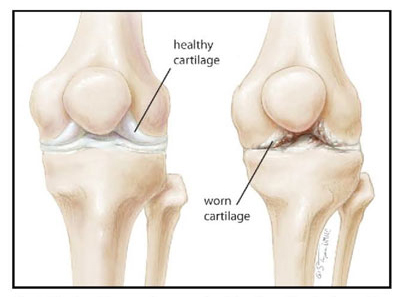
illustration of healthy and worn knee cartilage

As cartilage gets rough, the friction in the joint increases. The result is an inflamed knee joint that swells and hurts. Arthritis and injury are usually responsible for degenerative changes in the knee. Pain, leg deformity, and disability can get severe enough so that patients seek help.

Why does cartilage get damaged?

Cartilage can be damaged by injuries, overuse, inflammatory conditions (like gout, rheumatoid arthritis, and others), and genetic causes. Obesity, poor joint alignment, age, and repetitive trauma to a joint can also damage cartilage. Diseased cartilage loses its smooth, friction-reducing surface, leading to progressive roughening of this biological bearing.

What causes the painful and annoying symptoms of arthritis?

When bone touches bone in the knee joint after loss of cartilage, the result is pain, grinding, swelling, and stiffness. The pain comes from inflammation in the tissues lining the knee joint; inflammation comes from abnormal movement and friction. This is why anti-inflammatory medicines such as aspirin and ibuprofen can often help arthritic pain, at least early in the disease. Swelling and fluid on the knee are adaptive mechanisms by which the body tries to deal with an inflamed and arthritic knee joint.

Is the wear of knee cartilage inevitable with old age?

Not particularly. Even though everything wears with time, the knee joint wears differently from person to person. Most people will never need knee surgery regardless of age. Others are at increased risk of developing arthritis.

While family history, racial origin, and genes may play a role in this, there are things you can do to manage an arthritic knee. Establishing a routine of light aerobic exercise, maintaining ideal body weight, and avoiding extreme sports that injure the knee are some steps that will help reduce the risk of wear in the knee.

Filed Under: KNEE, Knee Surgery Tagged With: arthritis, cartilage

After Knee Surgery

by

Recovering from Knee Surgery

When you’re considering knee surgery, you probably have many questions about post-surgery care. This informative article should address many of your concerns. Don’t hesitate to ask the members of your medical team for their advice and procedures.

What can I expect during the hospital stay?

You can expect several professionals to see you and help you with recovery. A physical therapist will help with knee exercises and walking with an assistive device, such as a walker. An occupational therapist will help you with everyday activities, such as dressing and bathing, while your knee is recovering. Your surgeon will see you often, as will a primary care doctor. Nursing staff will attend to your daily needs, ensuring that the doctor’s instructions are carried out and that you are comfortable. A nursing assistant will help with bathing and activities that you are unable to do yourself.

As you can imagine, the first night or two may be difficult; the hospital environment is new, the bed is not your own, and you will have multiple medications in your system. If you have trouble sleeping in the hospital, please ask the nurse for a sleeping pill. Expect to take a nap during the day, and anticipate several weeks before your normal sleeping patterns are restored, even after you go home.

How long will I be in the hospital?

Most patients are in the hospital for two to three days after a routine knee replacement; some need a longer duration of stay. A social worker will communicate with your insurance about the expected length of stay, and the duration approved by the insurance carrier. The social worker will help with discharge planning.

Preventing Blood Clots

What measures are taken to reduce the risk of blood clots?

Many physicians routinely use a blood-thinning medicine such as warfarin. This drug, or an alternative blood thinner, will be taken for about two weeks after surgery to lower the risk of a blood clot. The hospital pharmacist will monitor the blood-thinner dose, and will advise you if there is any change in the dosage.

After leaving the hospital, you will have a blood test twice a week, or more if necessary, to monitor the efficacy of the blood-thinner.

In addition, the exercises, foot pumps, lack of a tourniquet, efficient surgery, and early walking after surgery all serve to minimize the risk of blood clots. Most physicians use this type of multi-modal program to reduce the risk of blood clots forming.

What more should I know about blood clots?

Any surgery increases the risk of blood clot formation. Some patients are genetically predisposed to clot formation and are at a higher risk. If you have ever had clots in the past, please be sure to let your doctor know.

Clots can cause serious problems such as heart or vascular disease, or a stroke. A lung injury can occur if the clot migrates to your lungs from the leg. A large enough clot migrating to the heart or lungs can be fatal.

Anti-coagulation (blood-thinning) therapy is recommended after all knee replacement operations to reduce the likelihood of developing a clot. Even if a clot develops in the leg, if you are on a blood-thinner, the risk of the clot enlarging and migrating to the lungs is reduced. Exercises, spinal anesthetics, early mobilization, intermittent foot pumps, and blood-thinning medications are all aimed at reducing the risk of blood-clot formation after surgery.

What should I know about the blood-thinning medicine that I will be given?

At present, the most common blood thinner used after knee replacement is the drug warfarin. It is an inexpensive medication that requires adjustment on the dosage for each patient.

You will take warfarin at the same time each day. The dose will be based on a blood test that measures how fast your blood clots. The results are recorded as PT (prothrombin time) and INR (international normalized ratio); the pharmacist will look at these test results and figure out how much warfarin you should take. The goal of taking warfarin is to keep your INR between 1.8 and 2.5. If you miss a dose of warfarin, take it as soon as you remember, but do not double the next dose.

Many things, such as diet, other medications, physical activity and illness can affect warfarin dosing. Vitamins, over-the-counter remedies, herbs, nutrition supplements and other alternative treatments also affect warfarin, and should not be taken while you are on warfarin.

Are there risks to taking a blood-thinner?

Yes, and the obvious risk is bleeding. By thinning blood, we increase the risk of bleeding (something that can be managed), and decrease the risk of clot formation (which can be lethal). Thus, there is a trade-off in risks. The risk of bleeding is common to all blood thinners.

Drugs sometimes used instead of warfarin include heparin and aspirin. Some people may not be able to take warfarin; in that case it’s common to use a drug called enoxaparin. After about 10 days of warfarin, or enoxaparin, doctors typically switch patients to twice-daily aspirin; this combination is safe.

Side effects of warfarin and enoxaparin include dizziness, headache, weakness, cuts from shaving/injury that do not stop bleeding, nosebleeds, bleeding of the gums when brushing your teeth, vomiting blood, bruising or skin rashes, dark brown urine, red or black color to stools, unexpected vaginal bleeding, or unusual pain or swelling. If any such symptoms appear, we may have to switch to a different blood-thinner.

Warfarin interacts with many drugs, both prescription and over-the-counter. Special caution should be given to anti-inflammatory medications such as aspirin, ibuprofen-containing drugs; naproxen, ketoprofen, cimetidine, ranitidine; and food supplements that contain vitamin K.

Supplements, such as ginkgo biloba and danshen also interact with warfarin. Some herbal teas have tonka beans, melilot (sweet clover), or sweet woodruff in them, which contain vitamin K. In addition, foods containing fat substitutes such as olestra are supplemented with vitamin K.

Because so many dietary items affect warfarin, it is essential to monitor the action of this drug two or three times every week with blood draws that are done by the home health agency while you recover at home.


Preventing Infection

How do you prevent infections during knee replacement?

Scrubbing of the skin with an antiseptic, antibiotics given before surgery, surgeon experience, a team-approach designed to promote efficiency, and standardized protocols are some of the key steps in reducing the risk of infection. It is impossible to completely eliminate this risk, but it’s possible to get the risk down to nearly zero. It is very rare to have an infection after routine knee replacement.

Is there a long-term risk of infection in an artificial knee?

Yes, there is a lifetime risk of infection with any artificial implant in your body, whether a knee joint, heart valve, or other synthetic component. As long as you maintain good health and appropriate body weight, avoid smoking, maintain proper hygiene, keep diabetes under control, and promptly address even minor infections in your body, the risk of infecting an otherwise well-functioning knee implant is very low.

What if an infection does develop?

An early infection shows up as redness and pain around the healing incision. This can usually be treated with oral antibiotics alone, usually taken for five to 10 days. Very rarely, as a precaution, the knee joint has to be opened up and washed out to clean the tissues and effectively treat an early infection. This usually happens if the knee starts draining fluid after surgery, which is a rare occurrence.

A late infection that happens months or years after surgery is more serious, and will require additional surgery.

In these rare cases, the infected prosthesis is removed and a temporary antibiotic-loaded knee is implanted, to allow the patient to walk and function, while the infection resolves. After three or more months, a new knee joint is implanted. Six weeks of antibiotics and these two operations will effectively treat an established deep infection in the knee.

Fortunately, deep infections after knee replacement surgery are very rare, usually occurring in immune-compromised patients who have other serious medical problems.

Swelling

How long will I have swelling and warmth in the surgical site?

Swelling and warmth around the scar are common after a knee replacement operation. The ankle may also swell on the operated leg. This represents the normal process of healing and can last for several weeks to months, depending on factors such as circulation, body weight, diabetes, and other variables.

Obesity, diabetes, poor circulation, poor muscles, varicose veins, high activity, heart disease, and swelling before surgery will usually result in a longer period of swelling and heat in the operated leg. Elevating your leg at night and wearing compression stockings during the day will help.

Deep aches and swelling in the knee can persist for a long time because bone, a living tissue, continues to re-model and adapt around the metal implants. This increased metabolic activity can lead to lingering soreness and swelling after heavy activity, all of which will disappear with time.

Leaving the Hospital

What is the average length of hospital stay?

The length of hospital stay after knee replacement varies from just one day to five or more days. There is no standard formula; each person and each recovery is different. Typically, a routine knee replacement requires two to three days in the hospital; there is little to be gained by trying to accelerate this process. People need time to heal.

How is the discharge from the hospital handled?

During your hospital stay, a case manager will work with your doctor to plan your discharge, whether to your home, a skilled nursing facility, in-patient rehabilitation facility, or nursing home. A social worker may also visit, and work with the case manager to formulate a discharge plan.

What determines when I can go home after knee replacement?

You can go home when you are able to get into and out of bed; walk up to 75 feet with a cane, walker, or other assistive device; go up and down stairs; and get to the bathroom. Typically, you will have had a bowel movement before discharge, and will be able to take a shower. Your doctor is the one making the ultimate decision about the safety and timing of your discharge. You will need someone to drive you home from the hospital.

How will I manage at home?

After knee replacement surgery, you will need help at home from an adult family member or friend. If this is not possible, it may be necessary to stay at an inpatient rehabilitation facility. You will not be able to drive for the first couple of weeks.

A home health agency will check on you at home, about three times a week or more, to help with walking, exercise, incision checks, medications, and communication with the doctor. The home health agency will provide a nurse to do blood draws and follow-up care, a physical therapist to continue therapy, and possibly an occupational therapist. The nurse also communicates with your doctor to give regular progress updates.

While at home, if a concern arises, please contact your medical team.  If there is a worry about the incision, taking a digital photo and sending it by email works very well.

When do I have to come back to see the doctor after knee surgery?

You will return for a visit about one month after your operation. If you have problems or questions before then, do not hesitate to call or e-mail your physician. Your home health nurse is also an excellent resource. Patients coming from far away can communicate by e-mail, send digital photos of their incisions and digital X-rays the same way; this works very well and saves a lot of driving and time.

Under what circumstances should I contact a doctor?

It is advisable to contact your surgeon’s office office if you have any of the following:

  • Temperature above 101 degrees
  • Drainage from your incision
  • Excessive redness around the incision
  • Increase in the incision pain
  • Increased leg swelling
  • Pain and swelling in the calf of the leg
  • Numbness or tingling down the back of the operative leg
  • Any other concern, even if it seems minor
  • Your family doctor may be your closest resource for advice if you develop a cold, flu, nausea, vomiting, diarrhea, or constipation. If you are unsure which doctor to call, call your surgeon.

If you cannot reach a doctor and feel that there is a problem, please go to the nearest emergency room. It is best to be vigilant and not take chances.


Common Sensations

Why do I hear a popping noise in the new knee?

Clicking, popping, and other noises in the knee alarm many patients. These are the harmless result of synthetic joint surfaces contacting each other and are common to all prosthetic knee components. The sounds may change over time, may disappear entirely, or may persist. The noises of an artificial knee joint will take some getting used to.

Why are my appetite, mood, food-taste, and sleep different after knee replacement?

Altered appetite, bowel habits, depression, and mood swings are common after any major elective surgery, including knee replacement. This is very important to know, understand, and anticipate. In some cases, medications might be necessary to control such symptoms.

All surgery elicits powerful psychosocial and physiological responses from the patient and vary from one person to another. These responses are normal, and we will help you get through them. It takes time for the body, mind, and soul to recover from any invasive operation.

Why is the outside of my knee numb?

This is normal after all knee surgery. The incision cuts small nerve fibers that run from inside to outside of the knee, so the skin to the outside of the cut always feels numb after knee surgery. Usually, this sensation will resolve over time and is not a major problem for patients. Most patients will not notice that the outside of the scar feels numb.

Is it normal for the muscles to spasm and tighten after surgery?

Yes. Sometimes unexpected spasms of the leg muscles occur after surgery, usually as the person is healing from the operation. These spasms will go away. If they are particularly troublesome, we can prescribe a muscle relaxant medicine, which can help.

Will my leg be longer after knee replacement?

Not noticeably, since it is not possible to lengthen or shorten a leg after knee replacement surgery. The reason is that blood vessels and nerves behind the knee present a practical limitation. Some patients say that the leg feels slightly longer. This comes from straightening out a crooked leg, which ends up feeling longer as a result. The sensation disappears as the patient gets used to having a normally aligned leg again.


Caring for your Incision

How long is the scar for knee replacement?

In most cases, a four- to five-inch incision is enough for knee replacement surgery. Your surgeon will use the shortest possible incision length. Incision length ultimately depends on each patient’s disease severity, anatomy, and amount of body fat.

Many orthopaedic implant companies have developed special instruments to assist in making shorter incisions, and provide training on their effective use. The general rule is to make the incision as short as possible, without compromising the accuracy, precision, or safety that is required for a successful long-term outcome. Since each patient is different, incision length can vary from person to person, even though the same type of knee replacement implants may be used.

Who will remove the staples from the incision?

For the first month, a home health nurse will visit you to check the incision, do blood work to monitor the blood thinner, and help you exercise and walk. That person should remove stitches no earlier than 21 days (three weeks) after surgery.

If there is any question about healing, it is safer to wait another week before removing stitches. Home health nurses can take a digital photo of the incision if there is a concern and send it to your doctor via email.

The preferred method to remove staples is to remove every other one, and apply adhesive-reinforced tape strips to ensure the skin stays together. If there is any concern about the skin edges coming apart, the rest of the staples can be left in for another week; delayed healing can occur in patients with a history of poor wound healing, cancer, diabetes, obesity, and other factors.

Please share this information with the home health person if there are any questions about staple removal. It is safe to shower anytime after staples are removed. Immersion of the incision in bath water, or in a pool should wait till the skin is fully healed.

Can I put any lotion on the scar?

While the staples are still in, it is best not to apply anything to the incision, and to keep the wound clean and dry. Once the staples are out, you can use vitamin E cream to massage and loosen up the scar. Most patients find this beneficial, and some feel that it makes the scar less visible. Massaging the knee area with an anti-inflammatory or cortisone cream can also help reduce skin inflammation and tenderness after knee surgery.

When can I shower after knee replacement?

You can shower as soon as you want after surgery. The incision will be covered with a plastic dressing, and the nursing staff will assist you. If the wound dressing gets wet, you can change it after the shower and use a towel to dry the skin around the incision. Showering reduces the bacterial load on your skin. Once the staples are out and the skin is dry, you can soak the knee in a bath also, but do not soak the incision area in a bath before the staples are removed.


Getting Moving

How long will I be off my feet after knee replacement?

nurse helping patient walk with crutches

You can put full weight on the replaced knee right after surgery. The therapist will get you up and walking the day after surgery. You will need the assistance of a walker or crutches, but putting weight on the knee and twisting is safe. Most patients are reasonably independent after four weeks, although individual recovery times will vary.

Will I need a walker, crutches, cane, or other assistive device?

Yes. You will likely require a walker for some time after knee surgery. If you have a walker, bring it with you to the hospital. If you do not have one, we can arrange for a walker while you are in the hospital.

Prior to surgery, you should pick up all throw rugs and secure extension/electrical cords at home, and make sure your furniture is arranged to allow you to use a walker safely, without the risk of falling. You can transition to a cane or crutches at any time you are comfortable.

I have pain and stiffness in the first few steps, then the knee feels OK. Is this normal several weeks, or even months after knee replacement?

Yes. Muscles, tendons, and ligaments take time to stretch and accommodate after surgery. The pain that is worse after sitting and goes away with walking is called start-up pain, and can persist for a long time. These symptoms will decrease as tissues heal. An anti-inflammatory medicine can help.

Will I have to learn how to walk again?

Considering that a prosthetic knee has no nerves and that the arc of movement after knee surgery will vary from before, many people feel like they must learn how to walk again. This is to be expected after knee replacement surgery. Take your time, and do not rush the process. There is no point comparing your recovery to anyone else, since recovery is very individual and depends on many patient-specific variables. At some point in your recovery, the new knee will begin feeling like a part of your body. Until then, it is true that you are, in a sense, learning to walk again.

How much therapy will I need?

You need a minimum of four weeks of therapy, usually at your home, with a visiting home health nurse. This person will see you about three times a week. Some patients need therapy after this four-week period, and others are already independent. If you need outpatient therapy, usually four to six weeks will suffice. Once you learn basic knee exercises, you will be able to do them at home.

Maintaining a regular program of exercise and mild aerobic activity long-term is an excellent idea, and you will maximize the benefit of your new knee.

Can I kneel after having a knee replaced?

Yes, although it may take several months before you can do it comfortably. The reason is that the kneecap experiences heavy loads during knee bending; loads that exceed your body weight. Soreness may keep you from kneeling after knee replacement surgery. You can safely kneel as soon as you are comfortable; you cannot damage the knee replacement by kneeling.

What happens if I do not get motion back in the knee quickly?

With minimally invasive surgery, lack of a tourniquet, and minimal muscle disruption, knee motion returns very quickly after replacement surgery. In very few cases, if the knee is not gaining mobility, it may be necessary to manipulate the knee joint under an anesthetic to “fast-forward” you in therapy, and break up early scar-formation in the knee joint. This is rarely necessary, and performed only on individuals who form heavy scar tissue.

Why does scar tissue form in the knee joint?

Scar formation is normal after all operations. After knee replacement, scar formation inside the joint is usually overcome by knee movement. Because of genetic factors and other variables, some patients will form scar very quickly inside the knee joint. Such patients may need additional or more aggressive therapy, and such patients will find that their recovery of knee mobility takes longer than others. This is normal, and again emphasizes that no two patients recover alike since patient anatomy and physiology vary from person to person.

How much bending will I get in the knee joint after replacement?

Implants bend safely to 150 degrees, which is about the physiologic limit of human knee anatomy. Existing scar tissue, contractures of the knee joint, severity of arthritis, pain tolerance, motivation for exercise, body size, and other variables profoundly affect how much mobility a person will get. For most patients, zero degrees of knee extension (bringing the knee out straight) and about 125 degrees of flexion (bending) are easily achieved; this is more than enough for almost all activities of daily living.

Do you use a machine to move the knee after surgery?

No benefit has been shown from the use of continuous passive motion (CPM) machines. Most surgeons use them now out of habit, or because some patients prefer them. If you would like a machine to move your knee after surgery, discuss it with your medical professional. Usually, outcomes from knee replacement are just as good without these machines. CPM machines are never a substitute for using your own muscles and motivation to regain mobility.

Should I exercise after knee replacement?

Yes. A regular program of light aerobic exercise is best, with weight training added to the exercise regimen. Exercise is beneficial from many standpoints, and will optimize the outcomes of your knee replacement. Recommended exercises include walking, swimming, light aerobics, golf, treadmill, stair-climbing, weight-training, and elliptical exercise equipment.

How soon will I be able to return to everyday activities?

Soon after surgery, you will begin to walk short distances in your hospital room and perform everyday activities. This early activity aids your recovery and helps your knee regain strength and movement. A nurse or therapist will assist you as necessary.

Returning to regular activity in terms of walking, exercising, and work vary greatly between patients; most patients return to their regular activities in six to 12 weeks.

How active can a person be after a total knee replacement?

You can be as active as you want and carry as much weight as you can tolerate. Heavy impact exercises, such as basketball, football, soccer, and tennis are probably best avoided, since they contribute to increased prosthesis wear. Low-impact aerobics, bicycling, treadmills, swimming, and similar exercises are fine. Climbing, hiking, and other outdoor activities can be performed as tolerated.

Strength and endurance will build up over time. Modern total knee implants are very durable and designed to take repetitive impact loading for many decades, even in active and heavy patients.

When can I drive after knee replacement surgery?

For the left leg and an automatic transmission in your car, drive whenever you can comfortably sit in a car and have control of the operated leg. For the right leg (and left in the case of driving a car with a clutch), it takes about two to four weeks before you regain the confidence and control in the leg to drive. Of course, you should not drive if you are taking narcotics that make you sleepy or reduce alertness. Avoid driving any time comfort or pain is an issue.

How much can I lift?

You can lift as much as you are comfortable doing. Start out with small weights, and build up your tolerance. As long as the knee does not hurt, lifting weights is fine.

Can I ride horses after knee replacement surgery?

Yes, once your recovery is such that you are independent, strong, and comfortable, you can ride horses, ATVs, and bicycles, with reasonable precautions that apply to each.

When can I go back to work after knee surgery?

The faster you get back to work, the better it is for you, psychologically and physically. We can accommodate your requests for time off work and your return to limited duties. Each individual and job situation is different. Your medical team will work with you to expedite your transition back to your job. Some people with desk jobs have returned to limited work in two weeks after knee replacement; others have preferred to take several months off.

Can I climb ladders?

Yes, climbing ladders is fine as long as the knee is fully healed and your strength has returned.

When can I resume sex?

You can resume sex at any time after knee surgery that you feel comfortable. Unless specifically instructed otherwise in very selected and unusual cases, there are no precautions to follow after knee replacement surgery.

When can I travel after surgery?

Whenever you feel comfortable, go ahead and travel by car or airplane. It is best to avoid the same seated position for over an hour, so try to get up and move around when possible. Otherwise, make sure to do ankle and calf exercises every hour to keep the blood pumping and avoid the possibility of blood clots forming. Prolonged sitting will also cause leg swelling, so it is best to change position during travel if possible.

When can I drink alcohol after surgery?

Moderate, social alcohol use can be resumed anytime that your appetite dictates. Avoid alcohol if your blood is too thin on the warfarin, and your warfarin dose is being held. Heavy alcohol use after any surgery is dangerous.

How long does it take for me to feel normal after a knee replacement?

While 80 to 90 percent of recovery is usually over by the first two months, the last 10 percent can linger. Even though patients can resume normal activities, the bone around the new implants will keep remodeling in response to the altered biomechanics. As a result, it can be up to two years or so before an artificial joint really feels like your own. It can take that long for the skeleton to accommodate the new knee, and feel normal.

Why is recovery after knee replacement said to be harder than after hip replacement?

One, the hip has more muscles covering it, and fewer nerves.

Two, the hip joint is relatively simple, consisting of one kind of movement (ball and socket).

Three, hip surgery can be done even less invasively than knee replacement using modern techniques.

Four, after a hip replacement, very little exercise is necessary for recovery, since there is little risk of the hip getting stiff. In contrast, the knee is a complex joint, relying on outside ligaments for support. These ligaments get stretched with every step. There is very little muscle cover around the knee, so that any bump is felt in the joint.

Finally, the knee tends to scar and stiffen quickly, and the joint must be moved actively to prevent this, and regain motion. For these reasons, recovery after hip replacement is typically a lot easier than recovery after knee replacement.


Helpful Tips

Tips on Walking

Proper walking is the best way to help your knee recover. At first, you will walk with a walker or crutches. Your surgeon or therapist will tell you how much weight to put on your leg; in most cases full weight is safe right away.

Stand comfortably and erect with your weight evenly balanced on your walker or crutches. Advance your walker or crutches a short distance; then reach forward with your operated leg with your knee straightened so the heel of your foot touches the floor first.

As you move forward, your knee and ankle will bend, and your entire foot will rest evenly on the floor. As you complete the step, your toe will lift off the floor and your knee and hip will bend so that you can reach forward for your next step. Remember, touch your heel first, then flatten your foot, then lift your toes off the floor.

Walk as rhythmically and smoothly as you can. Don’t hurry. Adjust the length of your step and speed as necessary to walk with an even pattern.

As your muscle strength and endurance improve, you may spend more time walking. You will gradually put more weight on your leg. You may use a cane in the hand opposite your surgery and eventually walk without an aid. Early on, it is best to moderate the exercise and avoid overdoing it.

When you can walk and stand for more than 10 minutes and your knee is strong enough so that you are not carrying any weight on your walker or crutches (often about two to three weeks after your surgery), you can begin using a single crutch or cane. Hold the cane or crutch in the hand opposite the side of your surgery. You should not limp or lean away from your operated knee.

Tips on Stairs

The ability to go up and down stairs requires strength and flexibility. At first, you will need a handrail for support and will be able to go only one step at a time. Always lead up the stairs with your good knee and down the stairs with your operated knee. Remember, “up with the good” and “down with the bad.” In other words, going up stairs, lead with the good (non-surgery) leg, and coming down stairs, put the bad (surgery) leg down first.

You may want to have someone help you until you have regained most of your strength and mobility. Stair climbing is an excellent strengthening and endurance activity.

Do not try to climb steps higher than the standard height (seven inches) and always use a handrail for balance. As you become stronger and more mobile, you can begin to climb stairs foot over foot.


Managing Pain and Discomfort

How much pain can I expect?

With modern surgery, pain can be controlled very well. Even though modern pain medicines are very effective, some aching and soreness in the knee may persist for many months. This is part of a normal recovery, as long as you notice steady improvement.

Each patient will recover differently; even two knees replaced in the same patient on the same date will recover differently. For example, effective pain control may be a problem for patients who take narcotics regularly before surgery. In these patients, pain relief can be hard to attain since the body desensitizes itself to narcotics.

Will there be persistent pain after surgery?

No, although pain perception varies greatly among patients and the time to full recovery is highly variable. The important thing to watch for is a steady decline in the level of discomfort; the knee should feel better month-to-month. If there is persistent pain, or increasing pain, then further inquiry is necessary. Remember, there will always be patients who go home in a day or two, and never seem to have any pain after knee replacement. There are others who recover far more slowly. The important thing to remember is that both types of recovery are entirely normal.

Should I apply ice or heat to the knee as it is healing?

After surgery, and for the first two weeks, ice is more effective in reducing swelling and pain. After complete healing of the skin and removal of staples, you can use a moist heat pack if it feels comfortable. Once healed, soaking the knee in a hot tub helps, too.

Whom should I call for pain pills?

Please contact your doctor’s office for pain medicines. State regulations allow some medicines to be phoned in; others require a written prescription. Please plan ahead, since narcotic prescriptions on weekends or Friday afternoons can be difficult to call in, mail in, or otherwise get filled.

How long should I take pain pills?

Most patients use the narcotics that are sent home with them for anywhere from one to three months. Over time, they taper off and begin anti-inflammatory medicines and other non-addictive medicines for pain by three months.

Narcotic drugs taken over a long time creates a tolerance that makes them less and less effective. That is why it is preferable to taper off narcotic drugs after three months, unless there are compelling reasons to continue use. This is a general observation; some patients will require narcotic medications for a longer period of time.

What if I need narcotics three months after surgery or if I have been taking them before surgery?

In such cases, the doctor who was filling the prescriptions prior to surgery may resume dispensing the medication. Very rarely, referral to a pain specialist is necessary for patients who are dependent on long-term narcotics. These medications are carefully monitored and tracked in the pharmacy databases, and specialized pain doctors are better trained and equipped to monitor their long-term use.

If you were taking narcotics regularly before surgery, pain control is usually more difficult and complicated since the body is desensitized to the pain control medicines we use after surgery. In such cases, let your doctor know what you are taking before surgery so that we can adjust pain medicines accordingly.

There are no hard rules. Your medical team is there to help you; they understand that every person is different and that pain is very individual.

Filed Under: About Knee Replacement, Featured, KNEE, Knee Surgery Tagged With: blood clot, infection, pain, recovery, scar, swelling, warfarin

Treating Knee Arthritis

by

Can exercise be helpful for knee arthritis?

Yes. Exercises to stretch and strengthen the quadriceps muscles and hamstrings are helpful in reducing the pain of arthritis. Stronger muscles and weight loss will decrease the mechanical loading of the knee joint, resulting in pain relief.

Walking, swimming, light aerobics, elliptical exercisers, and other related activities can be very useful. In some patients, a physical therapist can help design an exercise program to help an arthritic knee. Any exercise is far better than no exercise. Exercise will not make arthritis worse, and will not accelerate the wear and tear in the knee.

Does weight loss help with knee arthritis?

Yes. Excess body weight is multiplied across the knee joint. Thus, gaining 10 pounds of body weight can lead to a 30-pound load on the kneecap, making getting up, climbing stairs, and squatting very difficult.

Losing weight takes load off the cartilage, and decreases the burden on your knees. Weight loss also makes surgery safer. Generally speaking, weight loss and the maintenance of proper body weight can help reduce the pain of knee arthritis.

Does using a cane help with knee arthritis?

Yes, it does. Similarly, using a walker or other assistive device can help by off-loading the knee joint and reducing the tendency to limp. Most people would rather not use a cane, but using one will help with the pain of an arthritic knee.

Will a brace help with knee arthritis?

It depends. Over-the-counter knee braces can be very effective at controlling pain and giving you more confidence and balance in the knee. More expensive custom braces are rarely necessary. Wrapping the knee with an elastic bandage can also relieve arthritic pain.

What other non-surgical steps can I take to relieve pain of knee arthritis?

When possible, avoid stairs and concrete floors, lifting weight, deep bending, twisting activities such as golf, and repetitive impact such as jogging. These are all reasonable, non-surgical options that people use to relieve the pain of an arthritic knee until they are ready for surgery.

Will alternative therapies like supplements and acupuncture help?

Some patients find relief by using over-the-counter remedies like glucosamine, vitamins, oils, shark cartilage, herbal supplements, etc. Such remedies often lack scientific proof of their beneficial effects; be sure to read and understand the package label.

Chiropractor manipulations, acupuncture, massage, heat packs, prolotherapy, aqua-therapy, and related alternatives may also help. Explore and use these options if you feel they are of value. Of course, you should stop any therapy or manipulation that increases your pain.

One important note: If you are scheduled for surgery, stop all herbal, vitamin, and alternative medications at least 10 days before surgery, to avoid excess bleeding and interactions with anesthetics.

Do knee injections help?

Cortisone injections placed in the knee joint can provide relief; the duration of relief varies from patient to patient, often depending on how worn out the knee is. Most patients will get a month or so of relief after a cortisone injection; others may get longer-lasting relief.

Lubricant injections can be given weekly over three to five weeks; these replace the normal knee lubricants. Modern versions of these injections allow for one injection that is given every three to six months or so.

For arthritis that is not quite bone-on-bone yet, these injections can help, and allow patients to enjoy life without having the knee replaced.

Exciting new techniques are always being researched. For example, a new-generation of gold nanoparticles with low-grade radioactivity was used in research to come up with injections that can help with arthritic pain relief for a long time.

How long can I rely on medication as treatment for my arthritic knee?

It depends. Anti-inflammatory medications such as aspirin, ibuprofen, and others in this class of drugs are not addictive drugs. As long as your primary physician is aware and monitors your kidney function, these medications can be taken, within the safe dose range, for many years, even on a regular basis.

Alternative medicines such as glucosamine chondroitin might also help with knee pain. These medicines may not work for everyone, but they are worth a try; in some cases, they can help considerably.

Narcotic drugs are more risky and can create dependence. Also, long-term use of narcotics before surgery makes pain control after surgery more difficult. If your knee pain has progressed to the point where you require narcotic medication, it may be time to think about surgery.

Why not just replace my knee instead of trying non-surgical treatments?

Surgery should be the last option. No knee operation can ever restore the complexity and superior function of your own knee. Surgery also has risks. Experience shows that patients who wait and exhaust all other options before knee surgery have the best outcomes.

Those who rush into surgery without all the information are often unhappy afterward. That is why any responsible surgeon will work with you to try all non-surgical options first. Never rush to surgery, and never bypass other methods of obtaining pain relief.

Does arthroscopic surgery help in the treatment of knee arthritis?

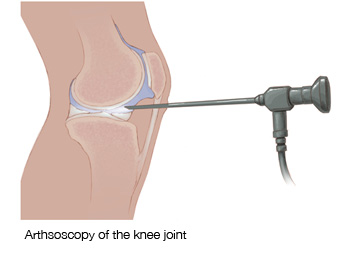
arthroscopy of the knee joint

For some patients, yes. Knee arthroscopy can help by providing several years of pain relief. Such cases usually involve early knee arthritis that has caused a cartilage tear.

Arthroscopy is an outpatient surgery where two or three holes are made in the knee for a camera and instruments that can remove arthritic debris, loose pieces, tears, and related pathology. Sometimes, injections and physical therapy are necessary after knee arthroscopy.

The key value of arthroscopy, in selected cases, is the ability of the surgeon to get a first-hand view inside the joint. This information is not usually available by other methods, and can be useful in planning treatment and understanding the prognosis.

If the cartilage destruction is severe, however, arthroscopic surgery is unlikely to help, and a knee replacement may be indicated.

Are there non-implant surgical options to treat arthritic knees?

In young patients with non-inflammatory arthritis of the knee joint that is not yet extensive and in whom leg deformity is significant, an osteotomy can be done to realign the leg.

This procedure involves cutting bone and realigning the axis of the leg, similar to wheel alignment in a car, to take off the wear from inside or outside the tires. Only a few patients are candidates for such joint-conserving procedures, and we can advise you if you are such a candidate.

When should knee replacement be considered?

The right time to consider knee replacement is when pain pills, exercise, weight loss, bracing, ice, heat, injections, and various alternative therapies no longer provide sufficient relief from the pain of an arthritic knee.

Knee replacement offers dramatic pain relief and increased motion. Some soreness and stiffness will persist for weeks to months in a few patients, but ultimately most people are glad they had surgery.

If pain, swelling, grinding, deformity of the leg, and decreased ability to function are severe enough to get your attention, and non-surgical options have not worked, it may be time to consider replacement surgery.

Filed Under: Arthritis and the Knee Joint, KNEE

  • « Go to Previous Page
  • Go to page 1
  • Go to page 2
  • Go to page 3
  • Go to Next Page »

Copyright 2014 All Rights Reserved · DISCLAIMER: Nothing here constitutes legal, medical, or other advice; all content relates to an individual perspective only. A professional relationship with a physician, or with a lawyer is built over time, with mutual investment, trust, and respect. This site is not a substitute for that.
~ HipAndKnee.com — premium aged medical domain available for acquisition. ~